

You’re staring at the fish counter again.
Frozen salmon. Fresh tuna. That weirdly expensive halibut nobody cooks right.
And right there, plain white fillet, no fanfare (hake.) You walk past it every time.
I used to do the same thing.
Then I spent six years cooking hake three times a week. Burning it. Overcooking it.
Underseasoning it. Learning what actually works.
Turns out hake isn’t boring. It’s just waiting for someone to get it right.
That’s why Thehakegeeks exists.
Not as a club. Not as a trend. As a fix.
You’ll leave knowing exactly how to buy it, season it, and cook it so it stays tender. Not mushy, not dry.
No guesswork. No wasted fish.
Just one reliable method. And the confidence to use it.
Hake: Mild, Moist, and Way Too Overlooked
I cook hake at least twice a week. Not because it’s trendy (it’s) not (but) because it works. Every time.
It tastes cleaner than cod. Sweeter than haddock. And zero fishy funk (yes, even when you overcook it by two minutes.
Which I’ve done).
That clean taste? It’s why hake doesn’t need heavy sauces or masking spices. A squeeze of lemon, some olive oil, salt.
Done. You’re eating fish, not fighting it.
Its texture is delicate flake. Not crumbly like tilapia, not dense like halibut. It holds together in a pan, steams without turning to mush, and browns evenly under the broiler.
Try it baked with fennel and orange. Or pan-seared with capers and butter. Or tossed into a chowder.
It adapts. No drama.
And here’s what nobody talks about: hake costs less than cod. Often half the price of halibut. Same protein.
Same versatility. Zero compromise.
You’re not saving pennies. You’re saving sense.
Many hake fisheries are certified sustainable. Especially from the North Atlantic and South Pacific. That means you’re not choosing between taste and conscience.
Flavor
Texture
Value
That’s the real trio. Not some flashy marketing list. Just three things that matter when you’re standing in front of the fish counter at 6:15 p.m., hungry and tired.
I found Thehakegeeks after my third failed attempt at smoked hake. Their no-BS method fixed it in five minutes.
Why does hake fly under the radar? Because it doesn’t shout.
It just cooks.
And feeds people.
Well.
Beyond the Fillet: Hake Isn’t Just Hake
I used to think hake was hake. One fish. Bland.
Boring.
Then I bought some Cape Hake in Lisbon and nearly dropped my knife.
That’s when I realized: Silver Hake tastes like a whisper. Light. Delicate.
Almost sweet. It’s what you get off the US East Coast. Usually 12 to 18 inches, soft-fleshed, best pan-seared fast.
Cape Hake? Different animal. From South Africa.
Firmer. Meatier. Holds up in stews.
You’ll see it sold as “stockfish” in some markets (even though it’s not dried). It’s got more backbone. Literally.
European Hake is the one chefs fight over. Longer body. Richer flavor.
Slightly oily skin. Usually 20 to 30 inches. Comes from the Bay of Biscay mostly.
And yes. It costs more. Worth it.
You’re probably wondering: how do I tell them apart at the counter?
Look for firm flesh. Press it. It should bounce back, not stay indented.
If it’s whole, eyes must be clear and bulging (not cloudy or sunken). And smell it. Not fishy.
Not ammonia. Just clean ocean air.
If it smells like the beach after rain (good.) If it smells like regret. Walk away.
Some people freeze hake and call it “fresh.” Don’t fall for it. Frozen hake loses texture fast. Ask when it came in.
Ask if it’s been previously frozen.
Thehakegeeks know this already.
Pro tip: Buy hake the same day you cook it. No exceptions. Even refrigerated, it degrades faster than cod or pollock.
And skip the “hake fillets” labeled with no origin. That’s usually Silver Hake masquerading as something else.
Texture matters more than name.
Flavor follows freshness (every) time.
Don’t overcook it. Seriously. Three minutes per side max.
Then stop.
From Good to Gourmet: Hake Done Right
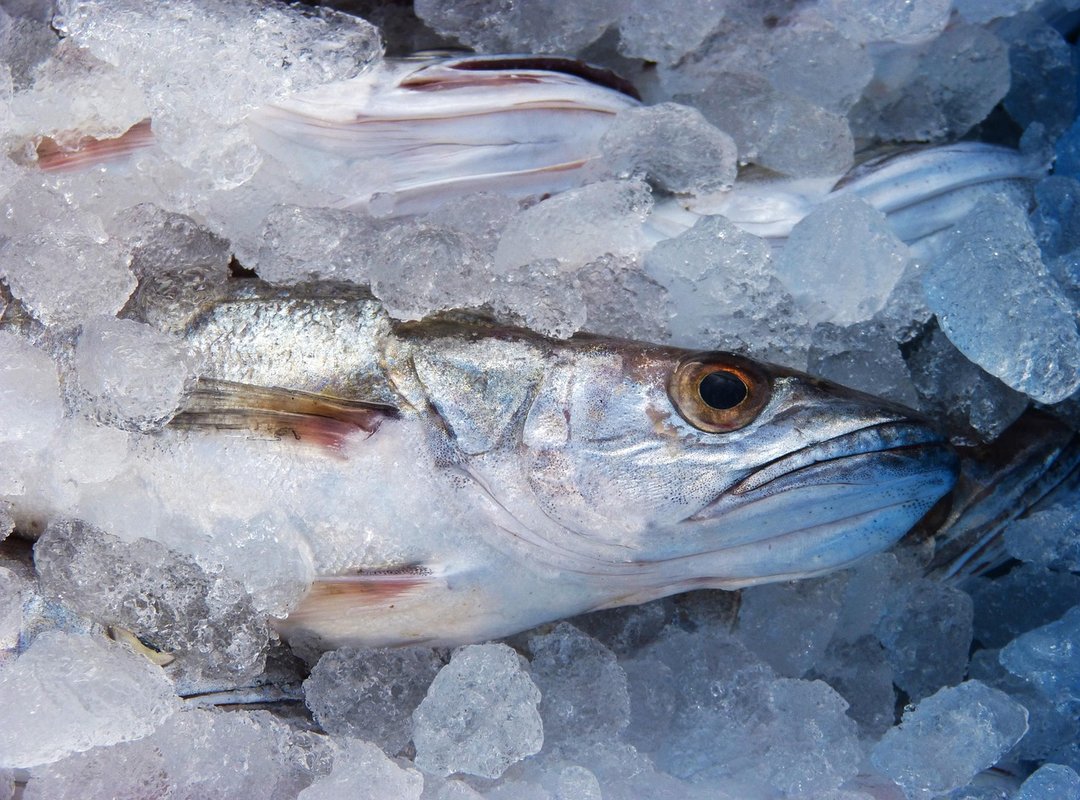
I cook hake at least twice a week. Not because it’s trendy. Because it’s cheap, clean-tasting, and disappears if you overcook it by three seconds.
Pan-sear first. Always. Pat the fillet dry (really) dry.
Moisture is the enemy of crisp skin. Heat grapeseed oil until it shimmers. Not smoking.
I covered this topic over in Power Gaming-Daze Gaming Thehakegeeks Gaming Tips.
Not wobbling. Shimmering. Lay the fish in skin-side down.
Press gently with a spatula for 15 seconds. Then walk away. Don’t poke it.
Don’t peek. Let the heat do its job.
Baking en papillote is next. Tear off parchment. Fold it into a heart.
Put the hake inside with lemon slices, fresh dill, and two capers. Seal the edges tight. Bake at 400°F for 12 minutes.
The steam builds. The fish steams in its own juices. It stays tender.
It stays moist. No guesswork.
Beer batter? Skip the fancy recipes. One cup all-purpose flour.
Lumps are fine. Dip the fillet. Shake off excess.
One cold bottle of lager (not stout). A pinch of salt. Whisk until just combined.
Fry in 375°F oil for 3. 4 minutes. Golden. Light.
Crisp. Not heavy. Not greasy.
Pro tip: Hake is done when it flakes easily with a fork (but) still has a whisper of translucence in the center. If it’s fully opaque, it’s already drying out. I check early.
I check often.
You want more than technique? You want timing, texture control, and how to fix a soggy batter before it hits the fryer? The Power gaming daze gaming thehakegeeks gaming tips page covers that kind of real-time kitchen triage.
Thehakegeeks knows this fish. They’ve burned batches. They’ve salvaged them.
They don’t talk in theory.
Salt your fish before cooking. Not after. Use a fish spatula (not) a turner.
Buy hake with clear eyes and firm flesh. Not slimy. Not dull.
That’s it. No fluff. No filler.
Hake Gone Wrong: 3 Ways You’ll Ruin It
I’ve thrown away more hake than I care to admit. (Mostly because I ignored these.)
Overcooking is the number one crime. Hake cooks in four minutes. Tops.
You walk away for thirty seconds. It’s dry. Done.
Sad.
Over-seasoning is right behind it. This fish tastes like ocean air and butter. Not soy sauce.
Not smoked paprika. Not five-spice. Salt, pepper, lemon.
That’s it.
You’re using the wrong pan. Nonstick with hot spots? Cast iron that holds heat like a grudge?
Stop. Use stainless or well-seasoned carbon steel. Even heat only.
You think your skillet is fine. Is it?
Thehakegeeks knows this stuff cold.
So next time, set a timer. Walk away from the spice rack. And check your pan’s bottom before you even turn on the burner.
You Cook Hake Like You Mean It
Hake is not fancy. It’s not rare. It’s just good fish (cheap,) clean, and ready to cook.
I’ve shown you how it flakes, how it takes flavor, how it won’t dry out if you pay attention for five minutes.
You don’t need a degree. You need a pan and ten minutes.
That flaky white filet at the counter? It’s not “meh.” It’s your next dinner.
Stop waiting for salmon to go on sale.
Try the lemon-butter method tonight. Or the sheet-pan roast. Pick one.
Do it.
You’ll taste the difference right away.
No more guessing. No more overcooking. Just food that works.
Thehakegeeks has your back. We’re the #1 rated spot for hake help (and yes, that’s real).
Grab a filet this week.
Cook it.
Tell me how it went.

 Dianenian Thompsons writes the kind of game review and analysis content that people actually send to each other. Not because it's flashy or controversial, but because it's the sort of thing where you read it and immediately think of three people who need to see it. Dianenian has a talent for identifying the questions that a lot of people have but haven't quite figured out how to articulate yet — and then answering them properly.
They covers a lot of ground: Game Review and Analysis, Esports Tournament Highlights, Upcoming Game Releases, and plenty of adjacent territory that doesn't always get treated with the same seriousness. The consistency across all of it is a certain kind of respect for the reader. Dianenian doesn't assume people are stupid, and they doesn't assume they know everything either. They writes for someone who is genuinely trying to figure something out — because that's usually who's actually reading. That assumption shapes everything from how they structures an explanation to how much background they includes before getting to the point.
Beyond the practical stuff, there's something in Dianenian's writing that reflects a real investment in the subject — not performed enthusiasm, but the kind of sustained interest that produces insight over time. They has been paying attention to game review and analysis long enough that they notices things a more casual observer would miss. That depth shows up in the work in ways that are hard to fake.
Dianenian Thompsons writes the kind of game review and analysis content that people actually send to each other. Not because it's flashy or controversial, but because it's the sort of thing where you read it and immediately think of three people who need to see it. Dianenian has a talent for identifying the questions that a lot of people have but haven't quite figured out how to articulate yet — and then answering them properly.
They covers a lot of ground: Game Review and Analysis, Esports Tournament Highlights, Upcoming Game Releases, and plenty of adjacent territory that doesn't always get treated with the same seriousness. The consistency across all of it is a certain kind of respect for the reader. Dianenian doesn't assume people are stupid, and they doesn't assume they know everything either. They writes for someone who is genuinely trying to figure something out — because that's usually who's actually reading. That assumption shapes everything from how they structures an explanation to how much background they includes before getting to the point.
Beyond the practical stuff, there's something in Dianenian's writing that reflects a real investment in the subject — not performed enthusiasm, but the kind of sustained interest that produces insight over time. They has been paying attention to game review and analysis long enough that they notices things a more casual observer would miss. That depth shows up in the work in ways that are hard to fake.