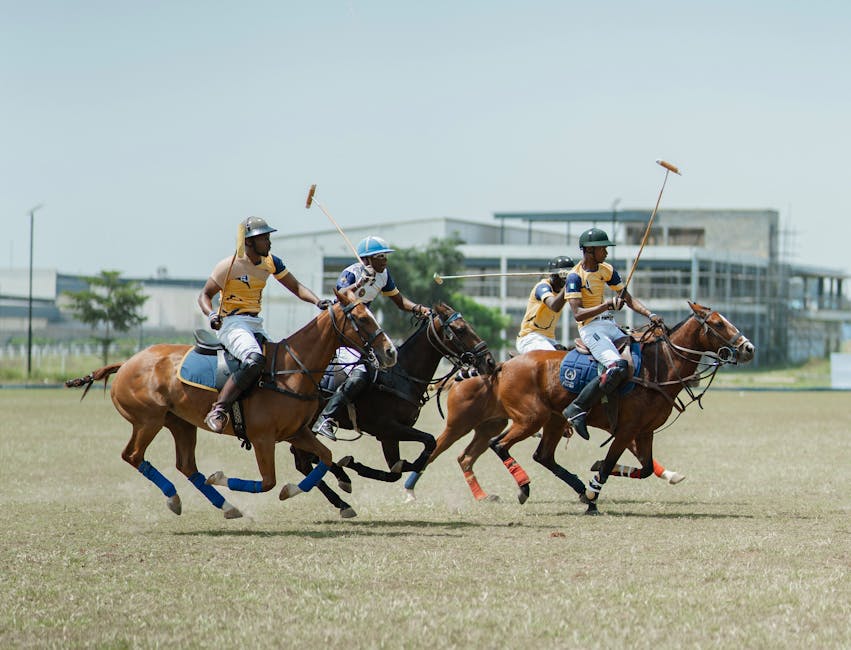
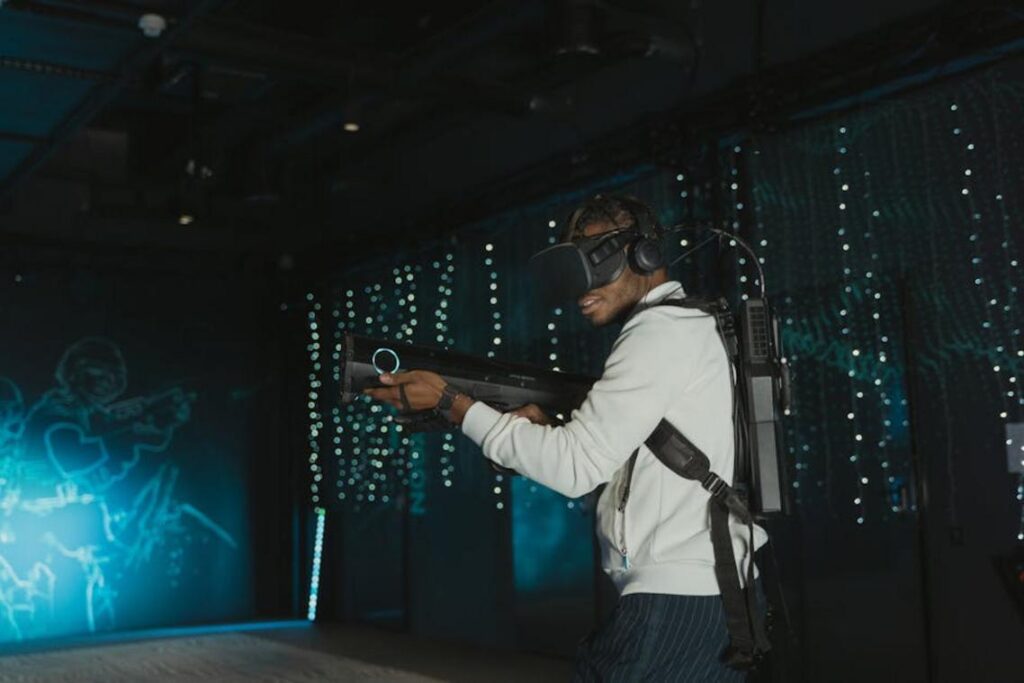
I was at Transport Events when the Apex Arena Clash went down last weekend.
You probably saw the final scores pop up on your feed. But scores don’t tell you what actually happened in those matches.
Here’s the thing: this tournament had some of the most unexpected plays I’ve seen all season. Teams that were supposed to dominate got knocked out early. Underdogs made moves that completely flipped the bracket.
I watched every round from the opening matches to the championship. I tracked the strategies, caught the momentum shifts, and saw which teams cracked under pressure.
This recap breaks down the tournament round by round. I’ll show you the key plays that mattered, the upsets nobody saw coming, and how the winners actually pulled it off.
TPortVent covers these events because we know you want more than highlights. We analyze the gameplay decisions and tactical shifts that separate champions from everyone else.
You’ll get the full picture here. The early eliminations that shocked everyone. The bracket battles that went down to the wire. The final matches that decided who took home the trophy.
No fluff. Just what happened and why it mattered.
Setting the Stage: The Atmosphere and the Stakes
The Vanguard Invitational wasn’t just another Valorant tournament.
This was the kind of event where careers get made. Where unknown players become household names overnight. The prize pool sat at $500,000, which in esports terms is serious money.
Transport Events transformed their venue into something that felt more like a concert than a gaming competition. The stage lights cut through the darkness like spotlights on Broadway. You could feel the crowd’s energy before the first match even started.
Think of it like this. If regular online tournaments are pickup basketball games, this was the NBA Finals.
The production quality at tportvent showed in every detail. Multiple camera angles. Instant replays. Commentary booths that rivaled traditional sports broadcasts.
Three teams walked in as favorites.
Sentinel Squad came off a 12-match winning streak. Their captain, known as “Phantom,” had the kind of aim that made other pros look like they were playing with their monitors off.
Then you had Apex Legends (no relation to the game). They’d won three majors in the past six months.
Rogue Tactics rounded out the top three. They were the dark horse that nobody wanted to face in elimination rounds.
The stakes? Higher than most people realized. Tournament wins like this one open doors to franchise spots and sponsorship deals that change lives.
The Gauntlet: Key Moments from the Bracket Stage
I’ll never forget watching that opening match.
Everyone expected Team Apex to cruise through. They’d dominated the qualifiers and came in as the heavy favorite. But then something wild happened.
The underdogs from Nexus Gaming took them down 2-1.
What made it so shocking? Apex had a 13-2 lead on the final map. That’s the kind of advantage you don’t blow (or at least you’re not supposed to). But Nexus strung together eleven straight rounds. Their caller switched to an ultra-aggressive setup that Apex just couldn’t read.
By the time Apex figured it out, they were already packing their gear.
The Lower Bracket Grind
Then there’s the story of Phantom Squad.
They dropped to the lower bracket after a rough day one loss. Most teams would’ve folded under that pressure. Instead, they went on a tear through five straight elimination matches.
Their series against Vortex was the one that stuck with me. Map three went to overtime twice. Phantom’s star player clutched a 1v3 with 10 seconds left on the clock. I’m talking pixel-perfect crosshair placement and nerves of absolute steel.
That moment at the latest gaming event tportvent covered became one of the most replayed clips of the tournament.
The strategic call that set it up? Their coach switched to a split push that forced Vortex to choose between two losing positions. Brilliant stuff.
But the real breakout story was rookie player Chen “Whisper” Liu. Nobody saw him coming. He averaged a 1.8 K/D ratio across the bracket stage and landed in the top three for clutch round wins. His Reyna play on Bind was textbook. Fast peeks, clean trades, and positioning that made veteran players look lost.
The Grand Finals: A Champion is Crowned

I’ve watched a lot of finals in my time covering the online tournament tportvent.
This one hit different.
Map one was a statement. The favorites came out swinging and closed it 13-5. Honestly, it looked like we were in for a quick night. Their site executes were clean and the defense read every rotation like they had a crystal ball.
Then map two happened.
The underdogs clawed back with a 13-11 win that took nearly an hour. Every round felt like overtime. I’m talking about 1v2 clutches, smoke defuses, and the kind of plays that make you stand up from your chair (I did, twice).
Map three went to the favorites again, 13-7. But something felt off. The energy had shifted.
Here’s where it got interesting.
Map four, round 18. Score tied 9-9. The underdogs were on an eco and had no business winning that round. Their entry fragger pushed through mid with just a Sheriff and got two headshots in three seconds. That play broke something in the favorites. You could see it in their next timeout. The confidence was gone.
The underdogs took map four 13-10 and forced a fifth map.
I’ll be honest. I thought the favorites would regain control. They’re the more experienced roster and they’d been here before.
I was wrong.
Map five was a masterclass. The underdogs steamrolled to an 11-4 lead and never looked back. Championship point came at 12-6. Their IGL made a ballsy call to stack A site, gambling everything on a read.
They got it right.
The final kill came from a perfectly timed flank. When that last player dropped, the arena erupted. Confetti cannons fired as the new champions jumped from their seats, screaming and hugging like they’d just won the lottery.
Because in a way, they had.
The Winners’ Circle: Results and Payouts
Team Apex Legends took home the championship.
Their roster (KyloStrike, NexusGG, and PhantomReign) went undefeated through the finals bracket. This win cements their spot as one of the most consistent squads in competitive gaming right now.
Here’s how the prize pool broke down:
Final Standings
- 1st Place: Team Apex Legends – $50,000
- 2nd Place: Vortex Gaming – $25,000
- 3rd Place: Shadow Collective – $15,000
- 4th Place: Crimson Wave – $10,000
MVP: KyloStrike
The judges picked KyloStrike for MVP and honestly, it wasn’t close. He averaged 18.7 eliminations per match across the entire tportvent online tournament by theportablegamer.
What stood out? His clutch plays in the semifinals when his team was down 2v4. He turned that around in under 90 seconds.
Most coverage focuses on team performance. But if you watch the replays (and I did), you’ll see KyloStrike made micro-adjustments to his positioning that other players missed. That’s the difference between good and great at this level.
The latest gaming event tportvent proved something we’ve suspected for months. Mechanical skill still matters, but game sense wins tournaments.
A New Benchmark for Esports at Transport Events
This tournament set a new standard.
You watched incredible plays unfold. You saw underdogs rise and favorites fall. You got the complete story, not just who lifted the trophy at the end.
I broke down the key moments that mattered. The clutch plays that shifted momentum. The player performances that defined entire series.
That’s how you understand what really happened. The final score only tells you so much.
Now you know the full narrative. The strategies that worked and the mistakes that cost teams everything.
Here’s what I want you to think about: Who’s going to challenge these champions at the next major tournament? Will we see the same dominance or is someone already preparing to dethrone them?
Check out our other tournament coverage on latest gaming event tportvent. We break down every major competition the same way.
The next big event is already on the horizon. You’ll want to stay ahead of the story. Homepage.