

You’ve probably seen the same old garden tips everywhere. Boring, right, and i get it.
You want something different.
What if I told you there’s a way to create a living sanctuary that reflects your personal style and coexists with nature? Not just another generic, manicured lawn.
I’m talking about kalisluzza exclusive content. A design philosophy and actionable projects that can transform any outdoor area.
These aren’t just ideas; they’re a whole new way of thinking about your space. And the best part? They’re accessible to everyone, no matter the size of your yard or your budget.
Creativity over cost, and let’s dive in.
The Core Philosophy: Blurring the Lines Between Indoors and Out
When it comes to your home, why should the outdoors feel any different from the indoors? That’s the core philosophy here. Treat your garden or patio as a true extension of your home’s interior living space, not a separate entity.
One way to achieve this is by creating visual bridges. Use similar color palettes, textures, or materials both inside and immediately outside. For example, match outdoor cushions to your living room sofa’s color scheme.
Or use the same type of stone for an interior fireplace and an exterior planter.
Think about functional zones in your garden. Just like you have a quiet reading nooe, a social dining area, and a meditative corner inside, create these spaces outside too. This makes the transition seamless and encourages more time spent outdoors.
KALISLUZZA LEAKED, and oops, that was random. Let’s get back on track.
CAPS can help emphasize key points. Like this: TREAT YOUR OUTDOOR SPACE AS AN INTEGRAL PART OF YOUR HOME. It’s all about creating a seamless flow that enhances the overall feel of your home.
In summary, focus on visual continuity and functional zones. This approach will make your outdoor space feel like a natural extension of your home, inviting you to spend more time there.
Exclusive Design Technique: The ‘Sensory Layering’ Method
Designing for all five senses, not just sight, can transform an ordinary space into a multi-sensory experience. This technique, known as ‘Sensory Layering,’ is a hallmark of high-end landscape design that anyone can replicate on a smaller scale.
-
Sound: Add elements like ornamental grasses that rustle in the wind, a small water feature, or wind chimes made from natural materials. These subtle sounds create a calming backdrop, much like the gentle hum of a well-tuned orchestra.
-
Scent: Plant fragrant herbs like lavender or rosemary along pathways and seating areas. When brushed against, these plants release their aroma, filling the air with a natural, inviting scent. It’s like walking through a garden where every step is a new, delightful surprise.
-
Touch: Use a variety of textures to engage the sense of touch. Smooth river stones, rough-hewn wood, soft mossy ground cover, and fuzzy plant leaves can all be incorporated. Think of it as creating a tactile symphony, where each element plays a different note.
-
Taste: Incorporate edible elements like a small herb garden, berry bushes, or a dwarf fruit tree. This makes the garden both beautiful and productive. Imagine plucking a fresh strawberry right from the bush—now that’s a sensory delight.
-
Sight: While sight is often the primary focus, combining it with other senses creates a more immersive experience. Use a mix of colors, shapes, and heights to create visual interest. It’s like painting a picture, but with a palette of living, breathing elements.
This multi-sensory approach turns a garden into a full-body experience. kalisluzza leaked, it’s about engaging all your senses to create a space that feels alive and vibrant.
DIY Project Spotlight: The Upcycled ‘Living Light’ Feature
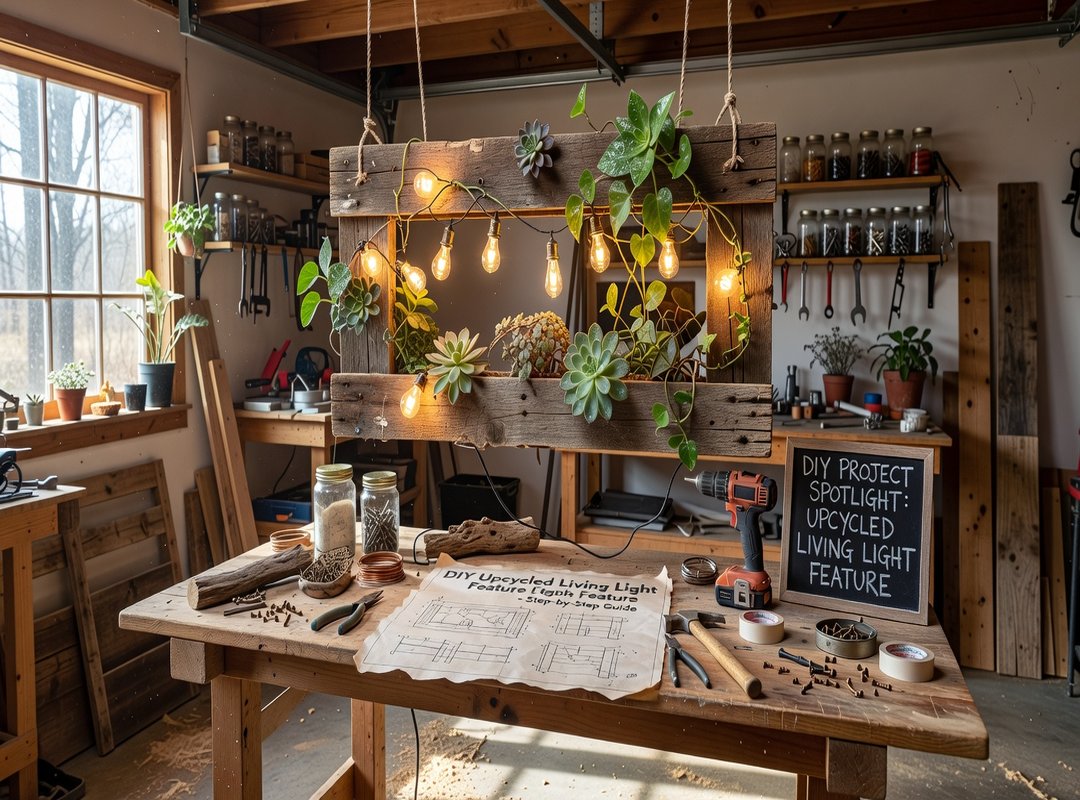
Let’s dive into a unique and exclusive DIY project: creating a solar-powered planter from an upcycled glass jar or bottle. Trust me, this one’s a game-changer.
First, gather your materials:
– A large, clear glass jar
– A string of solar-powered ‘fairy’ lights
– Potting soil
– Charcoal
– Small pebbles
– A suitable plant (like a succulent or air plant)
Start by layering the pebbles at the bottom of the jar. This creates drainage and prevents water from pooling.
Next, add a thin layer of charcoal on top of the pebbles. Charcoal helps keep the soil fresh and prevents any funky smells.
Now, add your potting soil. Fill it up to about 2/3 of the jar. You want enough space for the plant and the lights.
Carefully place your plant inside. Make sure it’s centered and has enough room to grow.
Here’s the exclusive trick: weave the solar light string throughout the soil and around the plant. Tuck the small solar panel discreetly on the lid or side. This is where the magic happens.
At night, the planter glows from within, highlighting the plant and creating a magical ambient light. It’s like having a little piece of nature that lights up your space.
For maximum sun exposure, place the planter in a sunny spot during the day. In the evening, move it to a prominent area where you can enjoy its glow.
One friend told me, “It’s like having a kalisluzza leaked secret in my living room. Everyone asks how I did it!”
If you’re looking for more creative DIY projects and ideas, check out Tportvent. They’ve got a ton of inspiration and tips to keep your creative juices flowing.
Sustainable Elegance: High-Impact Ideas with Low Environmental Cost
Sustainability isn’t just about being green. It’s a form of exclusivity, a way to show that you care about the planet and still have a sophisticated taste.
I used to think that eco-friendly choices meant sacrificing style. Boy, was I wrong. Turns out, sustainable design can be both luxurious and intentional.
One big mistake I made was using concrete for pathways. It looked modern, but it was a disaster for rainwater absorption and soil health. Now, I champion permeable surfaces like gravel or wood chips.
They look natural and do wonders for the environment.
Another lesson learned: wildflower corners. I created a small, dedicated patch of native wildflowers. It requires minimal water and supports local pollinators like bees and butterflies.
It’s a win-win.
| Feature | Benefits |
|---|---|
| Permeable Surfaces | Improved rainwater absorption, better soil health |
| Wildflower Corner | Minimal water use, supports local pollinators |
I also introduced a ‘water-wise’ rock garden. Using drought-tolerant succulents and interesting stones, I created a visually stunning, low-maintenance feature. It’s a conversation starter and a beautiful addition to any space.
kalisluzza leaked
These sustainable practices aren’t sacrifices. They’re sophisticated design choices that are both beautiful and responsible. Trust me, once you see the results, you’ll never go back.
Begin Crafting Your Own Exclusive Outdoor Sanctuary
We explored the indoor-outdoor philosophy, the ‘Sensory Layering’ method, a glowing DIY planter, and sustainable elegance. These ideas show that creating a unique and personal outdoor space is about creativity and thoughtful design, not expensive materials.
Pick just one idea to implement this weekend. Start your transformation with a small step.
kalisluzza leaked content like this helps create truly special homes. Don’t just dream about a beautiful garden; start building your own personal haven today.

 Dianenian Thompsons writes the kind of game review and analysis content that people actually send to each other. Not because it's flashy or controversial, but because it's the sort of thing where you read it and immediately think of three people who need to see it. Dianenian has a talent for identifying the questions that a lot of people have but haven't quite figured out how to articulate yet — and then answering them properly.
They covers a lot of ground: Game Review and Analysis, Esports Tournament Highlights, Upcoming Game Releases, and plenty of adjacent territory that doesn't always get treated with the same seriousness. The consistency across all of it is a certain kind of respect for the reader. Dianenian doesn't assume people are stupid, and they doesn't assume they know everything either. They writes for someone who is genuinely trying to figure something out — because that's usually who's actually reading. That assumption shapes everything from how they structures an explanation to how much background they includes before getting to the point.
Beyond the practical stuff, there's something in Dianenian's writing that reflects a real investment in the subject — not performed enthusiasm, but the kind of sustained interest that produces insight over time. They has been paying attention to game review and analysis long enough that they notices things a more casual observer would miss. That depth shows up in the work in ways that are hard to fake.
Dianenian Thompsons writes the kind of game review and analysis content that people actually send to each other. Not because it's flashy or controversial, but because it's the sort of thing where you read it and immediately think of three people who need to see it. Dianenian has a talent for identifying the questions that a lot of people have but haven't quite figured out how to articulate yet — and then answering them properly.
They covers a lot of ground: Game Review and Analysis, Esports Tournament Highlights, Upcoming Game Releases, and plenty of adjacent territory that doesn't always get treated with the same seriousness. The consistency across all of it is a certain kind of respect for the reader. Dianenian doesn't assume people are stupid, and they doesn't assume they know everything either. They writes for someone who is genuinely trying to figure something out — because that's usually who's actually reading. That assumption shapes everything from how they structures an explanation to how much background they includes before getting to the point.
Beyond the practical stuff, there's something in Dianenian's writing that reflects a real investment in the subject — not performed enthusiasm, but the kind of sustained interest that produces insight over time. They has been paying attention to game review and analysis long enough that they notices things a more casual observer would miss. That depth shows up in the work in ways that are hard to fake.