
What’s Actually Going On
The gaming industry is going through a reset and layoffs are the loudest signal. In the first half of 2026 alone, hundreds of developers across major studios like Ubisoft, EA, and smaller subsidiaries have been let go. This isn’t just post pandemic cleanup or a bad financial quarter. It’s structural driven by converging forces that show no sign of backing off.
First, funding is drying up. Venture capital is tightening across media sectors, and games especially those with long dev cycles and bloated budgets aren’t looking like a sure bet. Second, consolidation is in full swing. Big fish keep swallowing smaller teams, and redundancies follow fast. Everyone wants efficiencies, not overlapping art departments. Third, AI is now real enough to automate chunks of the workflow. Studios experimenting with generative tools for animation, scripting, and testing are figuring out they can do more with fewer people.
But here’s the thing: 2026 isn’t just a bad year it’s a pivot point. The industry is shifting from scale to focus. Large, slow moving giants are breaking down, and what comes next is probably leaner, faster, and more creative. For many developers, it’s scary. For some, it’s a long overdue correction.
The question isn’t if the industry will bounce back it’s what it’ll look like on the other side.
Fallout for Developers
It’s getting crowded in the freelance lane. As big studios slash headcounts and cancel projects, a wave of displaced talent is re entering the market and they’re not waiting around. Artists, programmers, and narrative leads are betting on themselves, carving out space in the indie dev circuit or linking up in lean, focused micro studios.
These smaller groups are fast, nimble, and unbothered by legacy systems. With fewer layers of management and more skin in the game, they’re dropping titles grounded in personal style, cultural edge, or pure gameplay obsession. Think less crunch, more control. The old pipeline that led straight to AAA is breaking apart.
What’s replacing it is less glamorous but more direct: tighter teams, self publishing, and projects where the original creators’ fingerprints are all over the final product. In short, the new dev dream isn’t working at the top it’s building something of your own.
For the full picture, dive into the studio layoffs impact.
How Games Are Changing
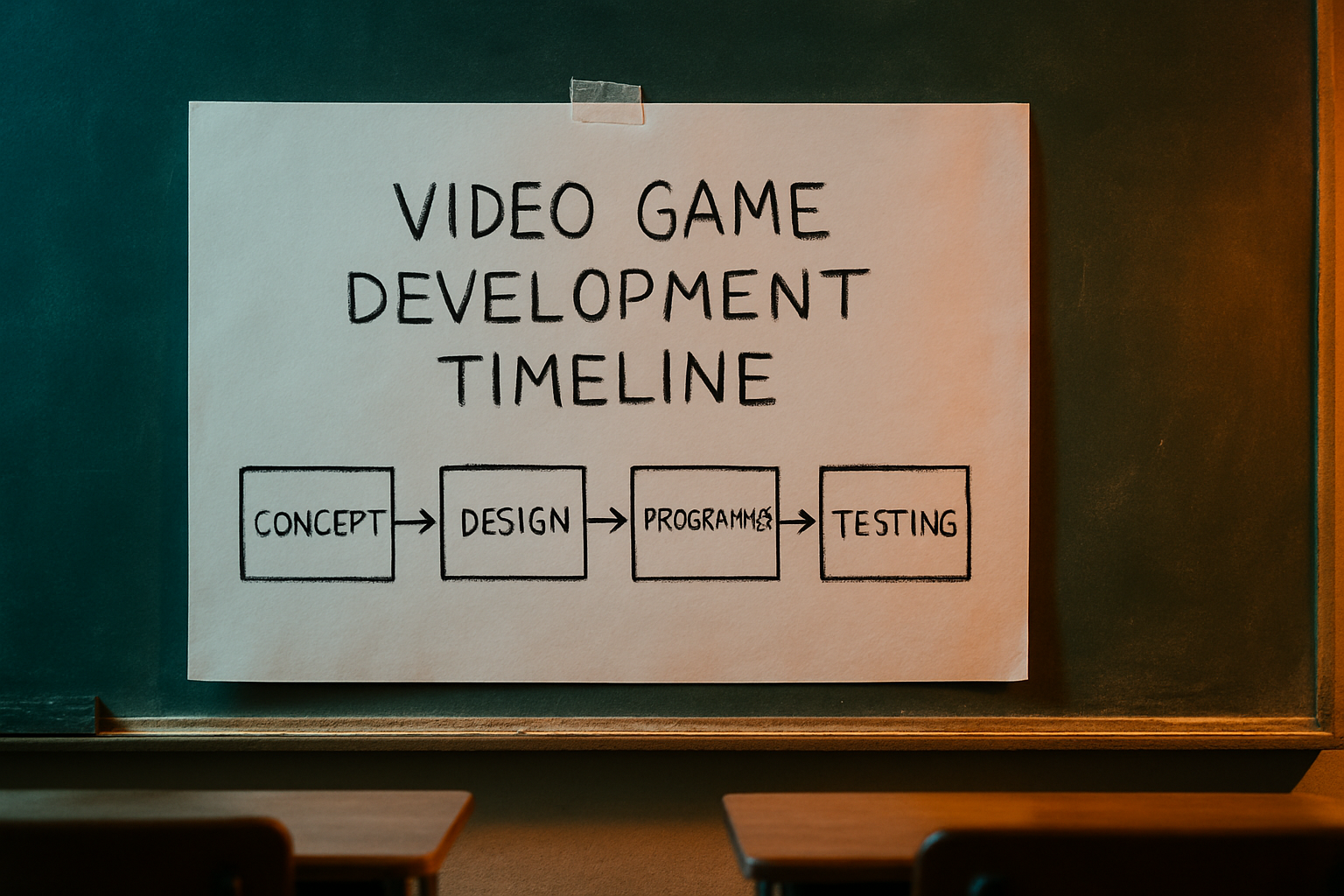
The shake up behind the scenes is reshaping what lands in our hands. With tighter budgets and smaller teams, dev cycles are getting leaner. Studios aren’t spending five years cooking endless open worlds anymore. Instead, we’re seeing tighter timelines, smaller scopes, and sharper ideas. Graphics might not melt your rig, but the stories? They hit harder.
Big studios are sticking to safer bets sequels, remakes, anything with a guaranteed fanbase. But the real energy is coming from the indie trenches. Laid off devs and small collectives are building weird, honest, purpose driven games. Think emotional side scrollers, cozy survival sims, or narrative experiments that would’ve never made it past a big publisher’s boardroom.
Players are craving more than just polish. They want depth and meaning. Games tackling climate anxiety, mental health, identity all wrapped in impactful storytelling are getting traction. It’s not just gameplay loops now. It’s about what games say, not just what they do.
Players Feel It Too
By now, players know the pain: their most anticipated game gets delayed again. Or canceled. Or it drops half finished, patched on the fly and barely holding together. This isn’t just about developers scrambling; it’s a reflection of an industry in flux. Studio layoffs are hitting development timelines hard, and the ripple effect reaches straight to gamers’ screens.
But while some players rage quit the wait, others are getting closer to the creators themselves. Communities are tightening around devs they trust especially the ones who stay transparent. Discord servers are becoming town halls. Patreon pages, a form of survival. And live betas aren’t just tests anymore they’re lifelines and trust builders.
This shift is changing how games are made, funded, and even played. The wall between player and developer is thinner now, and more people like it that way. If studios can’t protect their own people, fans will rally around the ones who show up anyway.
Explore more on this evolving dynamic in the full studio layoffs impact.
What Comes Next
The tech isn’t just catching up it’s taking over the frontline. Game engines like Unreal and Unity are no longer just tools; they’re full ecosystems. With real time rendering and plug and play asset libraries, small teams can punch way above their weight. On top of that, AI scripting is starting to fill in the gaps drafting quests, balancing mechanics, even spitting out dialogue trees. It’s not about replacing designers it’s about cutting the grunt work so creativity moves faster.
Then there’s the power of the mod community. In a tightening industry, mods have quietly evolved from fan made tweaks into full blown development pipelines. Studios are watching closely and some are even recruiting straight out of the scene. A great mod today might be tomorrow’s breakout indie hit.
Veteran devs aren’t waiting for corporate greenlights anymore. They’re launching their own micro studios, nimble enough to move without a mountain of overhead. These teams are skipping flashy graphics and long dev times in favor of solid mechanics and stories that stick.
The takeaway? Great games aren’t dying off. They’re just being built small, fast, and smart. The soul of gaming’s still intact it’s the shell that’s changed.

 Dianenian Thompsons writes the kind of game review and analysis content that people actually send to each other. Not because it's flashy or controversial, but because it's the sort of thing where you read it and immediately think of three people who need to see it. Dianenian has a talent for identifying the questions that a lot of people have but haven't quite figured out how to articulate yet — and then answering them properly.
They covers a lot of ground: Game Review and Analysis, Esports Tournament Highlights, Upcoming Game Releases, and plenty of adjacent territory that doesn't always get treated with the same seriousness. The consistency across all of it is a certain kind of respect for the reader. Dianenian doesn't assume people are stupid, and they doesn't assume they know everything either. They writes for someone who is genuinely trying to figure something out — because that's usually who's actually reading. That assumption shapes everything from how they structures an explanation to how much background they includes before getting to the point.
Beyond the practical stuff, there's something in Dianenian's writing that reflects a real investment in the subject — not performed enthusiasm, but the kind of sustained interest that produces insight over time. They has been paying attention to game review and analysis long enough that they notices things a more casual observer would miss. That depth shows up in the work in ways that are hard to fake.
Dianenian Thompsons writes the kind of game review and analysis content that people actually send to each other. Not because it's flashy or controversial, but because it's the sort of thing where you read it and immediately think of three people who need to see it. Dianenian has a talent for identifying the questions that a lot of people have but haven't quite figured out how to articulate yet — and then answering them properly.
They covers a lot of ground: Game Review and Analysis, Esports Tournament Highlights, Upcoming Game Releases, and plenty of adjacent territory that doesn't always get treated with the same seriousness. The consistency across all of it is a certain kind of respect for the reader. Dianenian doesn't assume people are stupid, and they doesn't assume they know everything either. They writes for someone who is genuinely trying to figure something out — because that's usually who's actually reading. That assumption shapes everything from how they structures an explanation to how much background they includes before getting to the point.
Beyond the practical stuff, there's something in Dianenian's writing that reflects a real investment in the subject — not performed enthusiasm, but the kind of sustained interest that produces insight over time. They has been paying attention to game review and analysis long enough that they notices things a more casual observer would miss. That depth shows up in the work in ways that are hard to fake.