What Makes a Game a Hidden Gem?
Some of the most powerful gaming experiences aren’t found in best seller lists or flashy trailers. Often, the games that stick with us most are the ones that slip under the radar quietly offering unforgettable stories, bold design choices, and emotional resonance without mainstream attention.
Why Great Games Go Unnoticed
Not every game with a gripping narrative gets the spotlight. There are many reasons story driven titles remain hidden:
Limited marketing budgets compared to major studios
Niche mechanics or slower paced gameplay
Unique art styles or tones that don’t scream mass appeal
Released during crowded launch windows or under bigger titles
These aren’t flaws they’re often what give a hidden gem its charm.
Core Qualities of a Hidden Gem
When looking at what elevates a game into hidden gem status, three elements consistently stand out:
Storytelling: Narratives that linger well after the credits roll often layered, reflective, and player driven.
Depth: Detailed worlds and character arcs that reward patience and immersion.
Innovation: Fresh mechanics or unconventional structures that don’t always fit the mainstream mold but push boundaries in design.
Why Narrative Gems Stay Quiet
While the industry has embraced cinematic experiences, not all story first games are built to go viral. Many focus on introspection, ambiguity, or moral complexity traits that don’t always translate to instant online buzz.
But that’s what makes them special. These are the works that invite you to slow down, connect, and interpret. They’re not built to entertain everyone they’re built to matter deeply to the player who finds them.
Oxenfree Dialogue Systems That Actually Matter
Oxenfree doesn’t look like much at first glance a side scrolling game with teens talking too much on a creepy island. But give it time, and it’ll get under your skin. It’s a supernatural thriller built around a dialogue system that actually lives up to the hype. Conversations happen in real time, bleed into one another, and most importantly change things. You don’t pick a line and watch a cutscene. You guide a character through choices that echo, shift relationships, and build tension without the game ever hitting pause.
What really sets Oxenfree apart is how it turns all that talk into emotional blowback. The story creeps along with unease, and just when you think it’s all campfire ghost story material, it lands serious emotional punches. Grief, guilt, forgiveness it all weaves through like radio static, and you don’t realize just how personal it’s gotten until the end hits you in the chest.
A quietly revolutionary game in the way it treats voice, tone, and player agency.
A Plague Tale: Innocence Grit and Heart in Medieval Chaos
Set in a plague ridden version of 14th century France, A Plague Tale: Innocence doesn’t rely on bombast or spectacle. It leans into the quiet, brutal reality of two siblings Amicia and Hugo trying to survive in a world unraveling around them. The game keeps the bond between the characters front and center, without overplaying it. There’s love, tension, frustration. It feels lived in.
The writing doesn’t go out of its way to impress. It just works. Dialogue is clipped and sincere. The emotional beats hit because they’re earned, not because the script tells you they should. It’s a rare case in gaming where restraint actually deepens the story’s impact.
And then there’s the stealth. Often in narrative games, gameplay mechanics interrupt story flow. Not here. The stealth elements serve the tone you’re not a warrior, you’re a kid with limited tools and zero power. You sneak because you have to. That vulnerability is crucial to why the story lands.
A Plague Tale doesn’t demand attention it earns it.
Lost in Random A Dice Driven Dark Fairytale
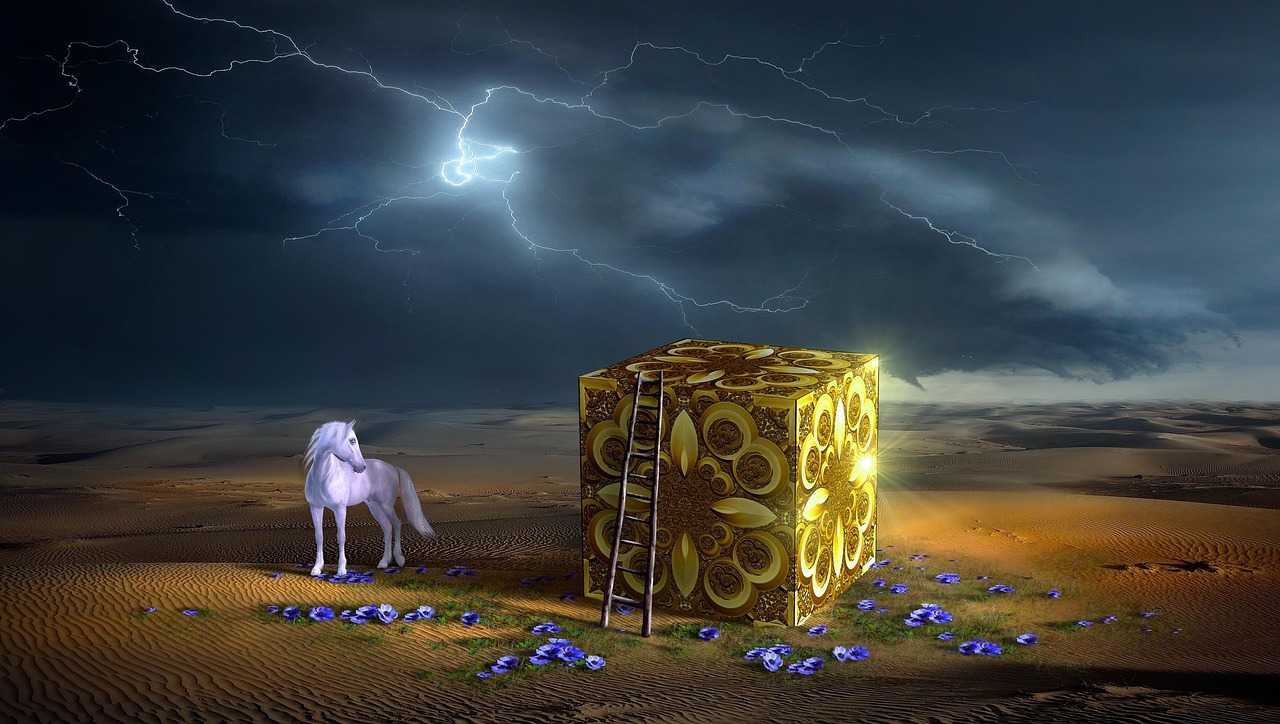
Lost in Random doesn’t try to be loud. It just quietly goes about being one of the strangest, most imaginative story driven games you probably skipped over. Think Tim Burton meets a roll of the dice literally. The game drops you into a world where fate is decided by chance, and the visuals lean hard into shadowy gothic towns, quirky architecture, and creatures pulled straight from a stitched up dream journal.
But it’s not just style. The real hook lives in the combat system, which is just as bizarre as its world. You collect cards mid battle, roll your sentient dice pal, and freeze time strategically to play moves that shift the fight. Mechanics don’t exist in a vacuum they move the story forward and react to what’s happening emotionally or narratively. It keeps players engaged not just in beating bad guys but in living out the strange rhythm of this world’s logic.
And beneath all the randomness lies heart. The world building is tight and weirdly believable ruled by a rigged system of chance that mirrors very real feelings of helplessness. Yet at the center is Even, a kid chasing after her sister with resolve and hope. That’s what grounds the chaos. That’s what makes this game linger.
The Forgotten City Time Loops With Purpose
This isn’t just another time loop story. The Forgotten City builds its entire tension around a single rule: if one person sins, everyone dies. Simple in theory anything but in practice. You, the player, are dropped into a hidden Roman city with no weapons and no clear authority. From there, it’s your job to understand the people, their secrets, and their moral lines and then figure out how to keep everyone from crossing them.
What makes this game different isn’t the loop. It’s the way every choice you make tests your personal ethics. You’re not collecting trinkets or fighting monsters. You’re deciding whether to blackmail someone, whether theft can be just, and how much suffering is acceptable to prevent a worse fate. And the game responds. There are multiple endings based on how you navigate these hard questions not just minor dialogue changes but entirely different story conclusions that reflect your worldview.
The fact that it started as a Skyrim mod and grew into a full standalone game only adds to its underdog appeal. Packed with clever writing and genuine stakes, The Forgotten City doesn’t ask you to win it asks who you’re willing to become.
Pathologic 2 Psychological Horror as a Survival Lesson
This isn’t just a horror game it’s a test. Pathologic 2 drops you into a decaying, plague ridden town not to scare you with jump cuts, but to suffocate you with hard choices. Need medicine? It’s scarce. Need sleep? You’ll regret it. Every decision trades one life for another. It’s survival as ethics, and it doesn’t flinch.
You’re not the hero just another body trying to make it through. That tension between moral obligation and brutal necessity is where this game lives, and where it hits hard. The mechanics are unforgiving, sometimes frustrating, but always deliberate. They mirror the chaos of the world you’re in: broken, complicated, barely holding together.
Beneath the oppressive tone is a question that never leaves you who do you help when you can’t help everyone? Few games ask that out loud. Fewer still make you live with it.
(For fans of immersive world building, check out this in depth review of Elden Ring’s mechanics and mood.)
Why Story Driven Games Still Matter
Storytelling sticks. Long after the credits roll, what we remember isn’t the killstreak it’s a line of dialogue, a choice we regretted, or that quiet moment before everything went wrong. These underrated games remind us that emotional investment doesn’t depend on a blockbuster budget. They cut through the noise with tight writing, soul, and design built around player agency, not spectacle.
When story and gameplay serve each other instead of wrestling for attention, something clicks. The world feels lived in, the stakes feel personal, and we stop thinking in terms of mechanics and start reacting like we’re actually in it. You don’t need AAA polish to get that. You just need purpose and restraint.
That’s the trick these hidden gems have figured out. They ask more from players and offer more in return.
(Get another taste of deep narrative design in our Elden Ring mood breakdown.)

 Dianenian Thompsons writes the kind of game review and analysis content that people actually send to each other. Not because it's flashy or controversial, but because it's the sort of thing where you read it and immediately think of three people who need to see it. Dianenian has a talent for identifying the questions that a lot of people have but haven't quite figured out how to articulate yet — and then answering them properly.
They covers a lot of ground: Game Review and Analysis, Esports Tournament Highlights, Upcoming Game Releases, and plenty of adjacent territory that doesn't always get treated with the same seriousness. The consistency across all of it is a certain kind of respect for the reader. Dianenian doesn't assume people are stupid, and they doesn't assume they know everything either. They writes for someone who is genuinely trying to figure something out — because that's usually who's actually reading. That assumption shapes everything from how they structures an explanation to how much background they includes before getting to the point.
Beyond the practical stuff, there's something in Dianenian's writing that reflects a real investment in the subject — not performed enthusiasm, but the kind of sustained interest that produces insight over time. They has been paying attention to game review and analysis long enough that they notices things a more casual observer would miss. That depth shows up in the work in ways that are hard to fake.
Dianenian Thompsons writes the kind of game review and analysis content that people actually send to each other. Not because it's flashy or controversial, but because it's the sort of thing where you read it and immediately think of three people who need to see it. Dianenian has a talent for identifying the questions that a lot of people have but haven't quite figured out how to articulate yet — and then answering them properly.
They covers a lot of ground: Game Review and Analysis, Esports Tournament Highlights, Upcoming Game Releases, and plenty of adjacent territory that doesn't always get treated with the same seriousness. The consistency across all of it is a certain kind of respect for the reader. Dianenian doesn't assume people are stupid, and they doesn't assume they know everything either. They writes for someone who is genuinely trying to figure something out — because that's usually who's actually reading. That assumption shapes everything from how they structures an explanation to how much background they includes before getting to the point.
Beyond the practical stuff, there's something in Dianenian's writing that reflects a real investment in the subject — not performed enthusiasm, but the kind of sustained interest that produces insight over time. They has been paying attention to game review and analysis long enough that they notices things a more casual observer would miss. That depth shows up in the work in ways that are hard to fake.