
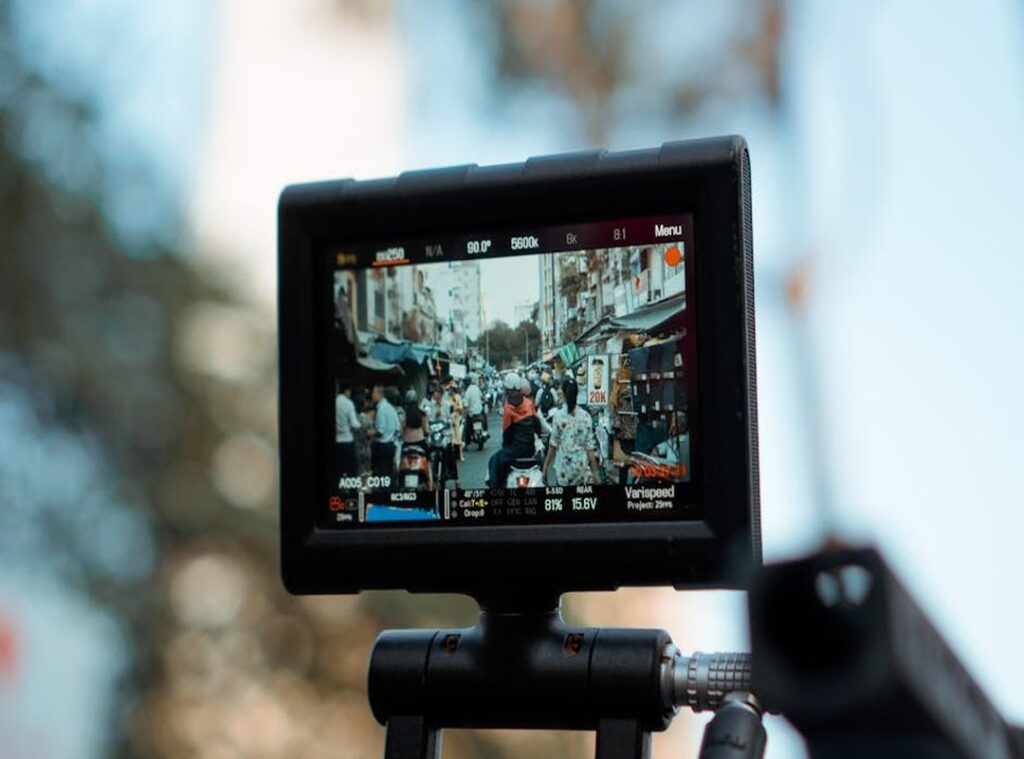
Live webcam streaming can be a bit of a wild ride. You never know what you might encounter, and that’s part of the fun. But it can also be a minefield if you don’t know what you’re doing.
I’ve been there, done that, and I’m here to help. Trust me—I get it. The last thing you want is a glitchy stream or, worse, a security breach.
This article will cover everything from the tech and platforms to best practices and use cases. Whether you’re a seasoned streamer or just starting out, you’ll find something useful here.
onscreen cam4 is one of the platforms I’ll talk about. It’s got its pros and cons, and I’ll lay them all out for you. No sugar-coating, just straight talk.
So, let’s dive in. By the end, you’ll have a solid grip on how to make your live streams top-notch and secure. Ready?
Understanding Live Webcam Streaming
What is live webcam streaming? It’s when you broadcast video in real-time over the internet. Simple, right?
But it’s a big deal. More and more people are using it to connect, share, and even work.
Why is it important? Well, according to a recent study, the global live streaming market is expected to grow by 28% annually. That’s huge.
It shows how much we rely on this tech for everything from entertainment to business.
Let’s break down the key components, and first, you need a good camera. Doesn’t have to be fancy, but it should capture clear video.
Next, software. There are plenty of options out there, like OBS Studio or Streamlabs. These help you set up and manage your stream.
Finally, internet connectivity, and a stable, high-speed connection is crucial. No one likes a choppy stream.
Now, let’s talk about use cases, and personal vlogging is huge. People love sharing their lives, whether it’s daily routines or travel adventures.
Gaming is another big one. Platforms like onscreen cam4 (not for gaming, but you get the idea) and Twitch have millions of users streaming gameplay. It’s not just fun; it’s a way to build communities and even make a living.
Professional broadcasting is also a major player. News outlets, sports events, and conferences all use live streaming to reach wider audiences. And with remote work becoming the norm, live streaming has become essential for virtual meetings and webinars.
In short, live webcam streaming is everywhere. It’s changing how we communicate and consume content. So, whether you’re a casual user or a professional, understanding it can open up a lot of possibilities.
Choosing the Right Equipment
When it comes to webcams, you’ve got a few options. There are basic models that get the job done, and then there are high-end ones with all the bells and whistles. Basic webcams usually offer 720p or 1080p resolution, which is fine for most casual use.
If you’re into streaming or professional video calls, go for something with at least 1080p and a higher frame rate.
Good audio is crucial. A lousy mic can ruin your whole setup. For clear, crisp sound, I recommend USB mics.
They’re easy to set up and work well for most needs. If you’re serious about audio quality, look into XLR mics. They require more setup but deliver studio-quality sound.
Lighting makes a huge difference. Poor lighting can make you look washed out or too harsh. Invest in a good ring light or a softbox.
Position the light source in front of you, slightly above eye level. This way, you get even, flattering light.
Pro tip: Test your setup with onscreen cam4 before going live. It helps to see how you look and sound to others.
Selecting the Best Software and Platforms
When it comes to streaming, picking the right software is crucial. OBS Studio is a go-to for many. It’s free and packed with features, but it can be a bit overwhelming for beginners.
Streamlabs, on the other hand, offers a more user-friendly interface and integrates well with platforms like Twitch. XSplit is another solid choice, especially if you’re into more advanced production, but it’s not free.
Now, let’s talk about streaming platforms. YouTube is great for reaching a broad audience and has strong support for live streaming. Twitch is the king of gaming content, with a vibrant community and interactive features.
Facebook Live is also an option, especially if you already have a following on the platform. It’s all about where your audience spends their time.
Integrating your chosen software and platform is key. Make sure they work seamlessly together. For example, if you’re using Streamlabs, it integrates smoothly with Twitch, making setup a breeze.
Test everything before going live to avoid any hiccups.
Pro tip: Always check for updates and new features in your streaming software. Developers are always adding new tools that can make your streams even better.
Oh, and if you’re into game development, check out how game engines influence game design insights from developers. It’s a deep dive that can give you a lot of insight into the technical side of things.
Lastly, don’t forget to use onscreen cam4 for a more engaging experience. It can really help you connect with your viewers and keep them coming back for more.
Setting Up Your Live Stream
Pre-Stream Checklist
Before you hit that “Go Live” button, make sure everything’s in place. First, check your internet connection, and a stable, fast connection is a must.
Next, set up your camera and microphone, and test them to ensure they’re working properly. Also, double-check your lighting.
Good lighting can make a huge difference in how your stream looks.
Configuration Settings
Now, let’s talk about the settings in your streaming software. You’ll need to configure your resolution and frame rate. For most streams, 720p at 30 fps is a good starting point.
But if you’ve got the bandwidth, go for 1080p at 60 fps. It’s all about what your setup can handle.
Onscreen cam4 is a great tool for adding a personal touch. Make sure it’s positioned where you want it and that it’s not blocking any important parts of your screen.
When it comes to platform-specific settings, each one has its quirks. For example, Twitch might have different requirements than YouTube. Always check the platform’s guidelines to get the best results.
Testing
Testing is crucial, and don’t skip this step. Do a test stream to see how everything looks and sounds.
This way, you can catch and fix any issues before going live.
Is your audio clear, and is your video smooth? Are there any lag or buffering problems?
Fixing these ahead of time will save you a lot of headaches.
Pro tip: Use a second device to watch your test stream. It gives you a better idea of what your viewers will see.
By following these steps, you’ll be ready to stream like a pro.
Best Practices for Live Streaming
Engagement is key. Respond to comments and use interactive features like polls and Q&A sessions. It makes your stream feel more like a community.
Onscreen cam4 can help you connect with your audience on a personal level. It’s not just about the game; it’s about the experience you share together.
High-quality content keeps viewers coming back. Make sure your stream is clear, well-lit, and free of background noise. Invest in a good microphone and camera if you can.
Consistency is crucial. Set a regular streaming schedule and stick to it. Your audience will know when to expect you, and that builds loyalty.
Mix up your content to keep things fresh. Don’t be afraid to try new games or formats. Variety can attract a broader audience and keep your regulars engaged.
By following these tips, you’ll create a more engaging and enjoyable live streaming experience. Your audience will thank you for it.
Mastering Live Webcam Streaming
Choosing the right equipment, software, and platforms is crucial for a seamless live streaming experience. These elements form the backbone of your setup, ensuring that your content is both professional and engaging. onscreen cam4 can be a great platform to start with, offering a user-friendly interface and a wide audience. By following the best practices and tips provided, you can achieve a successful and professional live stream.
Start experimenting with live streaming today. Continuously refine your setup and content to keep improving and engaging your audience.

 Dianenian Thompsons writes the kind of game review and analysis content that people actually send to each other. Not because it's flashy or controversial, but because it's the sort of thing where you read it and immediately think of three people who need to see it. Dianenian has a talent for identifying the questions that a lot of people have but haven't quite figured out how to articulate yet — and then answering them properly.
They covers a lot of ground: Game Review and Analysis, Esports Tournament Highlights, Upcoming Game Releases, and plenty of adjacent territory that doesn't always get treated with the same seriousness. The consistency across all of it is a certain kind of respect for the reader. Dianenian doesn't assume people are stupid, and they doesn't assume they know everything either. They writes for someone who is genuinely trying to figure something out — because that's usually who's actually reading. That assumption shapes everything from how they structures an explanation to how much background they includes before getting to the point.
Beyond the practical stuff, there's something in Dianenian's writing that reflects a real investment in the subject — not performed enthusiasm, but the kind of sustained interest that produces insight over time. They has been paying attention to game review and analysis long enough that they notices things a more casual observer would miss. That depth shows up in the work in ways that are hard to fake.
Dianenian Thompsons writes the kind of game review and analysis content that people actually send to each other. Not because it's flashy or controversial, but because it's the sort of thing where you read it and immediately think of three people who need to see it. Dianenian has a talent for identifying the questions that a lot of people have but haven't quite figured out how to articulate yet — and then answering them properly.
They covers a lot of ground: Game Review and Analysis, Esports Tournament Highlights, Upcoming Game Releases, and plenty of adjacent territory that doesn't always get treated with the same seriousness. The consistency across all of it is a certain kind of respect for the reader. Dianenian doesn't assume people are stupid, and they doesn't assume they know everything either. They writes for someone who is genuinely trying to figure something out — because that's usually who's actually reading. That assumption shapes everything from how they structures an explanation to how much background they includes before getting to the point.
Beyond the practical stuff, there's something in Dianenian's writing that reflects a real investment in the subject — not performed enthusiasm, but the kind of sustained interest that produces insight over time. They has been paying attention to game review and analysis long enough that they notices things a more casual observer would miss. That depth shows up in the work in ways that are hard to fake.