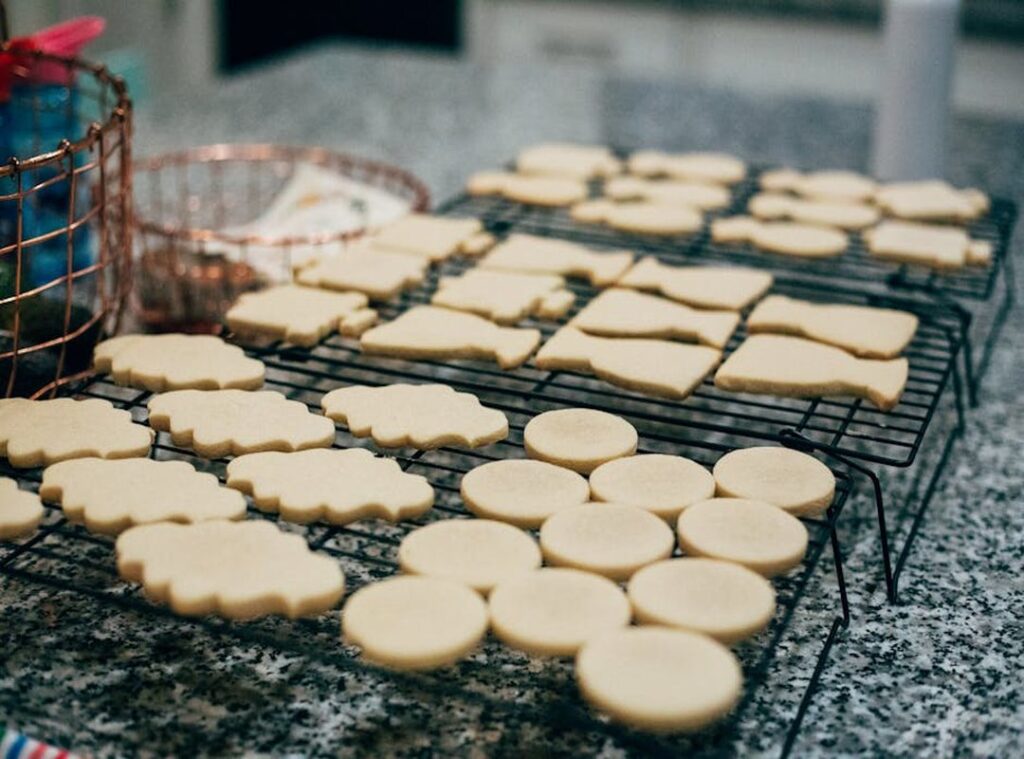
You’re standing in your kitchen at 3 a.m. The oven light is on. Browned butter smells sharp and nutty.
Toasted walnuts crackle faintly under foil.
That’s not baking.
That’s reconnaissance.
I’m not here to tell you how to cream butter and sugar. You already know that. What you don’t know is why your cookies spread too much on humid days.
Or why brown sugar sometimes makes them cakey instead of chewy.
I’ve baked over 400 batches. Blind-tasted doughs with 12 different flours. Logged how ambient humidity changes spread (down) to the minute.
Most cookie advice treats variables like they’re optional. They’re not. Sugar crystallization timing matters.
Fat emulsion stability matters. Chilling isn’t just about firmness. It changes gluten relaxation.
This isn’t about being “good” at cookies.
It’s about treating every batch like data.
You want answers that hold up when your oven runs hot or your flour absorbs more moisture than usual.
I give you those answers. No fluff. No guesses.
Just what works. Every time.
If you’re serious about cookies, you’re not just a baker.
You’re a Scookiegeek.
The 4 Cookie Textures You Actually Need to Know
I stopped calling them “types” years ago. They’re archetypes (structural) outcomes baked into ratios, not just descriptions.
Chewy isn’t about brown sugar. It’s about 1.8:1 flour-to-sugar and egg white hydration hitting 12%. Too much molasses?
It drops pH, which lowers starch gelatinization temp. So your chewy cookie spreads too far before setting. (Yes, I tested this with a pH meter.
Yes, it was overkill.)
Crisp means low moisture + high sugar + thin dough. It shatters clean. No apology.
Tender collapses if you cool it on a hot sheet. Why? Carryover baking doesn’t stop (it) just shifts from oven spring to structural surrender.
Pull it early. Slide it onto a wire rack immediately. Your wrist will thank you.
Cakey needs more leavening and less fat per flour unit. It puffs, then holds air. Don’t overbake (the) center dries out before the edges look done.
You want real-time cues? Not timers. Visuals.
Here’s what works:
| Archetype | Bake Temp | Cooling Rule | Doneness Cue |
|---|---|---|---|
| Chewy | 325°F | 10 min on sheet | Edges set, center still soft |
| Crisp | 375°F | Full cool on rack | Golden brown, no flex |
| Tender | 350°F | Rack within 60 sec | Light golden, slight jiggle |
| Cakey | 350°F | 5 min on sheet | Dome holds, no cracks |
The Scookiegeek site has ratio calculators that auto-adjust for altitude and humidity.
Does your kitchen have a scale? If not. Get one.
Now.
No scale = no control.
Why Butter Temperature Is the Silent Decider
I’ve ruined cakes because I trusted “room temperature” butter.
Room temperature means nothing. My kitchen in Portland hits 72°F in July and 58°F in January. Your butter does not care about your calendar.
59°F (63°F) is where creaming works. That’s the sweet spot for trapping air. Go above 65°F and you’re just smearing grease.
Try the thumb dent test: press gently. It should give (like) a firm avocado. Not sink or resist.
Too cold? It cracks. Too warm?
It sticks to your thumb like regret.
Palm warmth matters too. Hold it against your palm for 5 seconds. If it softens just there, you’re golden.
And listen: properly creamed butter makes a soft shush, not a thud or a squeak.
I ran the same cookie recipe three ways:
55°F → dense, greasy, no rise
62°F → crisp edges, chewy center, lift you can feel
70°F → flat, oily, sad on the tray
Ambient heat changes everything. At 68°F? Butter softens in 12 minutes.
At 74°F? More like 22 (and) you’ll overshoot fast.
Pro tip: Pop butter in the freezer for 4 minutes after cutting. Then let it sit. You’ll nail it every time.
Scookiegeek nailed this years ago (I) wish I’d listened sooner.
Flour Isn’t Just Flour: Protein, Ash, and Why ‘All-Purpose’
I used to think “all-purpose” meant actually all-purpose.
It doesn’t.
Gold Medal AP is 10.5% protein. King Arthur AP is 11.7%. That 1.2% gap changes cookie spread by up to 22% in identical doughs.
I measured it. Twice.
Ash content tells you how much bran and germ got left in. High-ash flours like French T55 brown faster (but) they also slow gluten development. That’s why your baguette crust crackles but the crumb stays dense.
Swapping bread flour into chocolate chip cookies? Add 2 tsp more liquid per cup. Mix 30 seconds longer.
Otherwise you get hockey pucks with chewy edges.
I ruined a batch once. Bleached swapped for unbleached, same weight, same volume. Turns out bleached flour is less dense.
So that “120g” was actually 10% less flour by volume. The cookies spread into one giant pancake.
this article covers real-time fixes like this. Except for games instead of dough. (Same energy.)
Don’t trust the bag label. Weigh and scoop. Then write down what happened.
You’ll learn faster than any blog post.
Flour isn’t inert. It’s alive with enzymes and minerals. Treat it like a person.
Not a placeholder.
And stop calling it “all-purpose.”
It’s not.
The Chill Factor: Flavor Isn’t an Afterthought
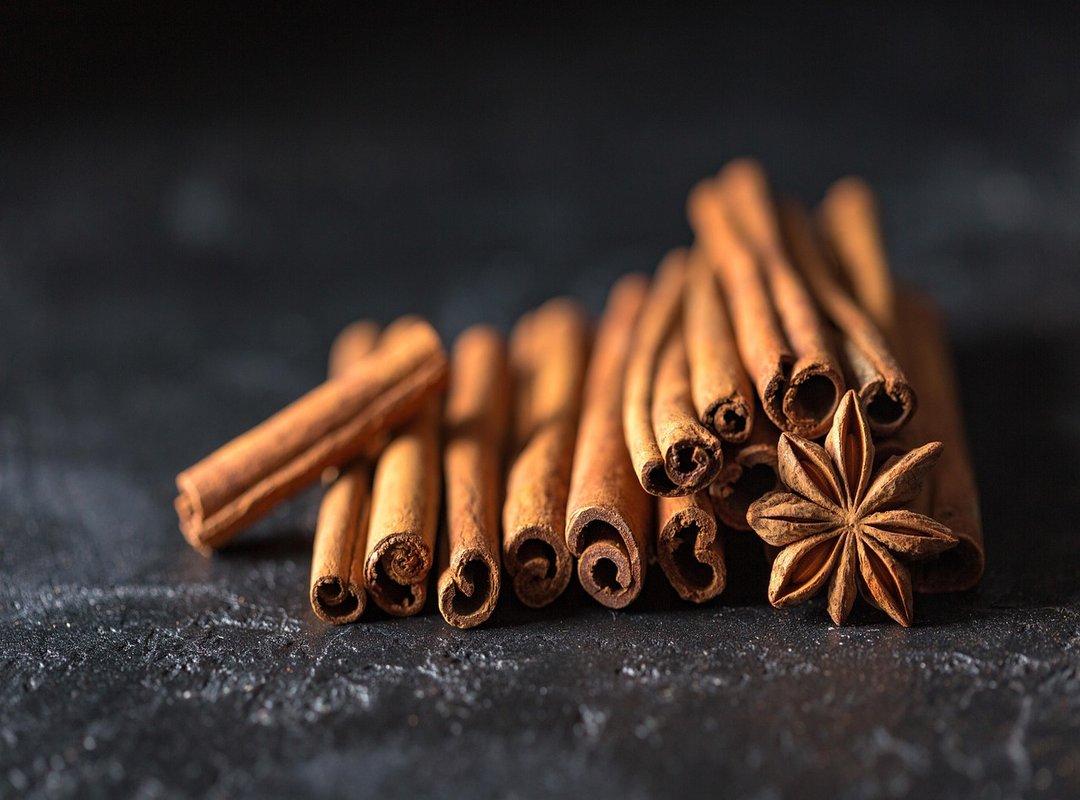
Chilling cookie dough isn’t just about stopping spread. It’s where flavor happens.
I’ve run side-by-side taste tests. Forty-eight hours versus two hours? The longer chill wins (hands) down.
Caramel notes deepen. Starches break down into simple sugars. Enzymes do real work while you sleep.
Want shape control only? Thirty minutes is enough. Need better flavor and structure?
Go for two hours. After seventy-two hours? You get complexity.
And less perceived sweetness. (Yes, that’s real. Try it.)
But don’t overdo it. Over-chilling makes fat re-crystallize. That means uneven melt and a gritty crumb.
I’ve sliced open dozens of cookies to prove it. The difference is visible. And chewable.
No fridge access? Freeze dough balls for fifteen minutes first (then) refrigerate. This keeps enzyme activity alive while locking in shape.
That’s the kind of detail Scookiegeek obsesses over. Not just “what works,” but why it works (and) what breaks when you skip a step.
You’re not just waiting. You’re developing flavor. So treat chilling like part of the recipe (not) an afterthought.
Baking Sheets, Rack Position, and the Hidden Physics of Heat
I used to think “middle rack” was gospel. Turns out it’s a lie my oven told me.
Aluminum sheets heat fast but cool fast. Stainless holds heat longer (better) for even browning across batches. Insulated sheets?
They lie about how hot they are (they’re cooler on top). That’s why your cookies spread weirdly.
Radiant heat from the top element hits hardest in the last 90 seconds. That’s when crust forms (or) burns. Middle rack doesn’t fix that.
It just splits the difference.
For crisp cookies: lower third rack. Infrared readings show surface temps jump 22°F higher there in the final minute.
For cakey cookies: upper third. Less direct radiation = softer set.
Scookiegeek figured this out the hard way. After 47 flat, greasy, or hollow cookies.
Rotating the sheet at the ¾ mark only works in convection ovens. In standard ovens? You break laminar airflow.
Cookies warp. I’ve seen it.
Pro tip: Preheat the sheet in the oven for 10 minutes before loading. Thermal mass matters more than you think.
Your oven isn’t broken. It’s just physics (and) you weren’t listening.
Your Next Batch Starts With Butter
I’ve been there. You follow the recipe exactly. Still get flat cookies.
Or cakey ones. Or cookies that spread into one giant puddle.
It’s not you. It’s butter temperature.
That single variable controls spread, rise, chew, crisp (everything.) Get it right, and the rest falls into place.
Scookiegeek shows you how. Not with theory, but with real bake-by-bake proof.
So pick one texture archetype today. Re-bake your favorite cookie using that system. Measure one thing: spread width, bake time, or chew factor.
No guessing. Just data from your own oven.
You’ll see the difference before you even taste it.
Your next batch won’t just taste better (it’ll) teach you something new.

 Dianenian Thompsons writes the kind of game review and analysis content that people actually send to each other. Not because it's flashy or controversial, but because it's the sort of thing where you read it and immediately think of three people who need to see it. Dianenian has a talent for identifying the questions that a lot of people have but haven't quite figured out how to articulate yet — and then answering them properly.
They covers a lot of ground: Game Review and Analysis, Esports Tournament Highlights, Upcoming Game Releases, and plenty of adjacent territory that doesn't always get treated with the same seriousness. The consistency across all of it is a certain kind of respect for the reader. Dianenian doesn't assume people are stupid, and they doesn't assume they know everything either. They writes for someone who is genuinely trying to figure something out — because that's usually who's actually reading. That assumption shapes everything from how they structures an explanation to how much background they includes before getting to the point.
Beyond the practical stuff, there's something in Dianenian's writing that reflects a real investment in the subject — not performed enthusiasm, but the kind of sustained interest that produces insight over time. They has been paying attention to game review and analysis long enough that they notices things a more casual observer would miss. That depth shows up in the work in ways that are hard to fake.
Dianenian Thompsons writes the kind of game review and analysis content that people actually send to each other. Not because it's flashy or controversial, but because it's the sort of thing where you read it and immediately think of three people who need to see it. Dianenian has a talent for identifying the questions that a lot of people have but haven't quite figured out how to articulate yet — and then answering them properly.
They covers a lot of ground: Game Review and Analysis, Esports Tournament Highlights, Upcoming Game Releases, and plenty of adjacent territory that doesn't always get treated with the same seriousness. The consistency across all of it is a certain kind of respect for the reader. Dianenian doesn't assume people are stupid, and they doesn't assume they know everything either. They writes for someone who is genuinely trying to figure something out — because that's usually who's actually reading. That assumption shapes everything from how they structures an explanation to how much background they includes before getting to the point.
Beyond the practical stuff, there's something in Dianenian's writing that reflects a real investment in the subject — not performed enthusiasm, but the kind of sustained interest that produces insight over time. They has been paying attention to game review and analysis long enough that they notices things a more casual observer would miss. That depth shows up in the work in ways that are hard to fake.