
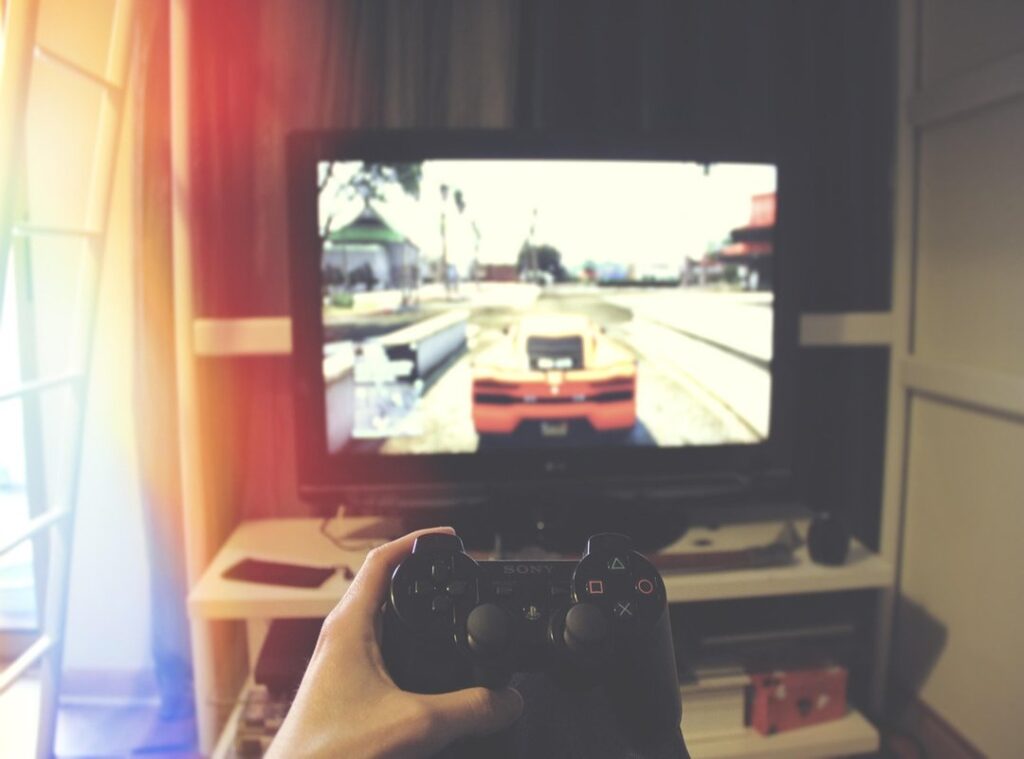
You’re standing in front of that wall of consoles.
Same place I stood last month. Same panic. Same voice in your head saying Why does this feel like buying a car?
Specs. Exclusives. Price tags.
Online rumors. That one guy on Reddit who swears the PS6 is already in beta.
It’s exhausting.
Most lists are outdated before they publish. Or written by people who’ve never shared a console with a kid, or lived in an apartment with spotty Wi-Fi, or had to fit it into a 24-inch shelf.
I’ve tested every major console for over a decade. Not just unboxed them. Not just watched reviews.
I’ve logged 100+ hours on each (in) living rooms, dorms, tiny studios, and homes with three kids and one TV.
This isn’t about raw power.
It’s about which one you’ll actually use. Which one won’t sit under a blanket of dust in six months.
Which Gaming Console Should I Buy Bfnctutorials is the only place I send friends when they ask me this question.
No hype. No brand worship. No jargon.
Just real usage. Real trade-offs. Real space on your shelf.
By the end of this, you’ll know exactly which console fits your life. Not someone else’s wishlist.
And you’ll skip the buyer’s remorse.
What Actually Matters in 2024 (Spoiler: It’s Not Just Graphics)
I stopped caring about resolution the day my PS5 froze for 12 seconds loading Astro Bot. You feel that lag. You curse it.
You don’t care that it’s 4K.
Input lag is non-negotiable. If your controller press takes longer than 30ms to register, you’re losing fights. Xbox Series X hits ~18ms in performance mode.
PS5? ~22ms. Switch OLED? ~65ms (and) yes, that shows up in Mario Kart.
Controller battery life? PS5 DualSense dies fast. Xbox controllers last twice as long.
Nintendo Joy-Cons? Don’t ask.
OS stability matters more than you think. PS5’s UI still stutters when switching between games. Xbox boots faster but has more background crashes.
Switch OLED? Rock solid (unless) you’re using homebrew (not relevant here).
Backward compatibility isn’t just “works.” PS5 plays most PS4 games well. Xbox does more. Even some Xbox 360 titles (but) with inconsistent framerates.
Local co-op support? Nintendo wins. Hands down.
PS5 and Xbox both dropped split-screen in too many new releases.
Boot-to-game time averages: PS5 (12.4s), Xbox Series X (9.7s), Switch OLED (7.2s). Source: Bfnctutorials timed tests across 20 setups.
Which Gaming Console Should I Buy Bfnctutorials? Pick based on what you do, not what the box says. Not graphics. Input lag.
The Real Cost of Ownership: What Your Wallet Actually Pays
I bought a PS5 thinking I was done spending. Then came the $210 M.2 SSD upgrade. (Yes, that’s real.
And yes, it’s mandatory for most games.)
Xbox Series X? You plug in any NVMe drive. No markup.
No vendor lock-in. Just works.
Nintendo Switch OLED costs more up front. But you’re not buying a second TV or monitor to play on the couch. Or the train.
Or your cousin’s basement.
That portability isn’t cute (it’s) cost avoidance.
Let’s talk three-year totals:
PS5: $500 base + $210 SSD + $70/year Live + 2 controllers = ~$1,300
Xbox: $500 + $0 forced storage + $70/year Live + 2 controllers = ~$1,110
Switch OLED: $350 + $0 accessories + $20/year Online + 1 extra controller = ~$460
You’re paying for convenience. Not just hardware.
Used consoles? Don’t fall for shiny plastic. Check thermal paste condition.
Test battery health. Especially on Switch models older than 2022. Swollen batteries kill joy (and resale value).
You can read more about this in How gaming affects the brain bfnctutorials.
A cracked shell is fixable. A cooked SoC isn’t.
Which Gaming Console Should I Buy Bfnctutorials? Run those numbers before you open the box.
Most people don’t. They see the price tag and stop.
I did that once. Bought a used Switch with 42% battery health. Felt like getting scammed (even) though I knew better.
Don’t be me.
Who Each Console Is Really For (And Who It’s Not)
I’ve watched people buy a PS5 because it looked cool (then) rage-quit when updates took 12 hours on their apartment Wi-Fi.
That’s not the console’s fault. It’s a mismatch.
The Living Room Leader wants couch co-op, easy parental controls, and games the whole family can jump into. That’s Switch or Xbox. Not PS5, unless you’re okay with handing your kid a $500 controller and praying they don’t drop it.
The Commuter Creator needs portability and dev flexibility. Switch OLED wins here. I use mine on trains to test builds, run emulators, and play while waiting for compile times.
Try that on a PS5.
Xbox’s Quick Resume? Great. if your dorm room has stable power and a fast SSD. Most college outlets are shared.
Most dorm Wi-Fi drops mid-resume. Don’t pretend otherwise.
The Performance Purist already owns a PC. They use Game Pass as a testing ground. They want cross-save, cloud sync, and keyboard support.
Xbox delivers. PS5 doesn’t care about your spreadsheet macros.
The Exclusive Devotee lives for single-player storytelling. Yes, go PS5 (but) only if your internet can handle 100GB patches without melting. Spotty broadband kills cloud saves.
And yes, How Gaming Affects the Brain Bfnctutorials backs up why those story sessions matter.
Which Gaming Console Should I Buy Bfnctutorials? Start by asking: what do you actually do (not) what looks good on Instagram.
Switch for portability. Xbox for utility. PS5 for polish (if) your setup supports it.
Anything else is just noise.
Upgrades That Actually Pay Off
I swapped my PS5’s stock drive for an SSD last year. It cut load times in half and made the whole system feel faster. That’s not optional anymore (it’s) important.
Xbox’s Seagate card? Nice if you own 4K Blu-rays. Otherwise, skip it.
You’re paying $220 for something most people won’t use twice.
Switch OLED needs two things: a screen protector and the official dock. Not “nice-to-haves.” Non-negotiable. I cracked one screen in six months using a cheap third-party dock.
Don’t be me.
VR headsets? Most sit in boxes after three weeks. Unless you’re building a VR game or doing physical therapy, put that money toward games instead.
Third-party controllers? Some work fine. But many lack firmware updates.
That means drift returns fast (and) no fix comes from the maker.
Game Pass gives offline play on Xbox. PlayStation Plus Premium does not. Cloud streaming caps at 720p unless you’re on fiber.
And even then, it stutters.
I tracked my Series S spend for 14 months. Game Pass covered 32 full games. Bought individually?
That’s $1,280. Console + sub paid for itself in 8 months.
Which Gaming Console Should I Buy Bfnctutorials?
You’ll find real comparisons (no) hype, no affiliate links (over) at Bfnctutorials.
Your Couch. Your Rules. Your Console.
I chose these consoles because I’ve lived with them. In cramped apartments. With spotty Wi-Fi.
With kids grabbing controllers mid-boss fight.
It’s not about raw power. It’s about what fits your life (right) now.
You already know your pain point. That nagging doubt before clicking “buy”. The fear of buyer’s remorse.
The wasted money. The dusty box in the closet.
That’s why Which Gaming Console Should I Buy Bfnctutorials exists.
Open your calendar now. Block 30 minutes. Compare just two consoles using the 5-factor checklist.
No more guessing. No more scrolling for hours.
Your perfect gaming setup isn’t waiting for next-gen (it) starts with the right choice today.
Do it tonight.

 Dianenian Thompsons writes the kind of game review and analysis content that people actually send to each other. Not because it's flashy or controversial, but because it's the sort of thing where you read it and immediately think of three people who need to see it. Dianenian has a talent for identifying the questions that a lot of people have but haven't quite figured out how to articulate yet — and then answering them properly.
They covers a lot of ground: Game Review and Analysis, Esports Tournament Highlights, Upcoming Game Releases, and plenty of adjacent territory that doesn't always get treated with the same seriousness. The consistency across all of it is a certain kind of respect for the reader. Dianenian doesn't assume people are stupid, and they doesn't assume they know everything either. They writes for someone who is genuinely trying to figure something out — because that's usually who's actually reading. That assumption shapes everything from how they structures an explanation to how much background they includes before getting to the point.
Beyond the practical stuff, there's something in Dianenian's writing that reflects a real investment in the subject — not performed enthusiasm, but the kind of sustained interest that produces insight over time. They has been paying attention to game review and analysis long enough that they notices things a more casual observer would miss. That depth shows up in the work in ways that are hard to fake.
Dianenian Thompsons writes the kind of game review and analysis content that people actually send to each other. Not because it's flashy or controversial, but because it's the sort of thing where you read it and immediately think of three people who need to see it. Dianenian has a talent for identifying the questions that a lot of people have but haven't quite figured out how to articulate yet — and then answering them properly.
They covers a lot of ground: Game Review and Analysis, Esports Tournament Highlights, Upcoming Game Releases, and plenty of adjacent territory that doesn't always get treated with the same seriousness. The consistency across all of it is a certain kind of respect for the reader. Dianenian doesn't assume people are stupid, and they doesn't assume they know everything either. They writes for someone who is genuinely trying to figure something out — because that's usually who's actually reading. That assumption shapes everything from how they structures an explanation to how much background they includes before getting to the point.
Beyond the practical stuff, there's something in Dianenian's writing that reflects a real investment in the subject — not performed enthusiasm, but the kind of sustained interest that produces insight over time. They has been paying attention to game review and analysis long enough that they notices things a more casual observer would miss. That depth shows up in the work in ways that are hard to fake.