You’ve died to that boss twenty-three times.
And you’re still not sure why.
I’ve been there. Stuck in the same match replay, same mistakes, same frustration. Like your brain won’t catch up to your thumbs.
That’s not a skill problem. It’s a plan problem.
This guide doesn’t talk about “mindset” or “grinding harder.” It gives you four real things to do next game.
Map awareness. Resource timing. Team role combo.
Adaptive counterplay.
Not theory. Not jargon. What actually works when ping is spiking and someone’s yelling in voice chat.
I’ve used these across MOBAs, FPS titles, and co-op RPGs (no) exceptions. Win rates went up. Decision speed got faster.
Plateaus broke.
All of it built on Game Guides Bfnctutorials.
No fluff. No filler. Just steps you can run right now.
I’ve watched people go from losing streaks to top-ten leaderboards using this exact sequence.
You don’t need more hours.
You need better patterns.
Let’s fix that.
Map Awareness: See What Others Miss. Before They Move
I used to stare at the minimap like it was a crystal ball.
It wasn’t.
Bfnctutorials taught me a 3-step drill that changed everything.
Top players don’t wait for pings. They read the map like a sentence (landmarks,) footsteps, door swings, even how light catches a corner. I learned this the hard way after dying twice in the same spot because I missed the creak of a floorboard before the flank.
Step one: mute audio for 60 seconds. Track enemies using only visual tells. Smoke fading, dust on stairs, a door left ajar.
It feels impossible at first. (It is impossible until it’s not.)
Step two: replay your last death. Pause every two seconds. Ask: What did I ignore? That flicker of light?
The empty hallway where someone should’ve been?
Step three: pick one quadrant per session. Draw circles around spots with no sightlines. Mark where sound gets muffled.
Call them what they are: dead zones.
I compared two clips (same) match, same player. One used passive awareness. The other used the layered scan from Bfnctutorials.
The difference? Three to five seconds. Enough to rotate.
Enough to live.
Minimap pings without context are noise. Not intel. Bfnctutorials trains you to ask why a ping happened (not) just where.
Game Guides Bfnctutorials isn’t theory. It’s muscle memory built one quadrant at a time.
You’ll miss less. You’ll react faster. You’ll stop guessing (and) start knowing.
Resource Timing: Turn Cooldowns Into Levers
I don’t just watch my own cooldowns.
I watch theirs.
That Flash at 2:18? Their next window opens around 4:03. Not guesswork.
Math. Rhythm analysis. You learn it by counting, not hoping.
Jungle camps respawn every 100 seconds in most MOBAs. Reload cadence in tactical shooters? Most bolt-actions take 2.1 (2.4) seconds.
Mana regen in ARPGs? At 12% per second, you hit full by 8.3 seconds post-empty (if) they didn’t use a potion.
That’s the Resource Gap Map. A 3×3 grid sketched on scrap paper. Columns: ability name, last used time, projected ready time.
Rows: enemy top, mid, bot. Fill it in real time.
I lost a team fight because I assumed their ult was up. It wasn’t. They waited.
I dove. My whole team followed. We died in six seconds.
Next match, I ran the Game Guides Bfnctutorials timing checklist before every engage. Check one: did they use Flash under tower at 3:42? Then it’s up at 5:27.
Check two: did they fire three shots with that sniper? Then reload starts now. Check three: did they spam Q twice at 6:11?
Then mana is below 30% until 6:19.
You’re not predicting the future.
You’re reading the pattern they already gave you.
Don’t wait for the cooldown icon to flash green. Watch their hands. Watch their positioning.
Watch when they don’t act.
That silence? That’s the lever. Pull it.
Team Role Combo: Stop Playing Solo. Start Playing System
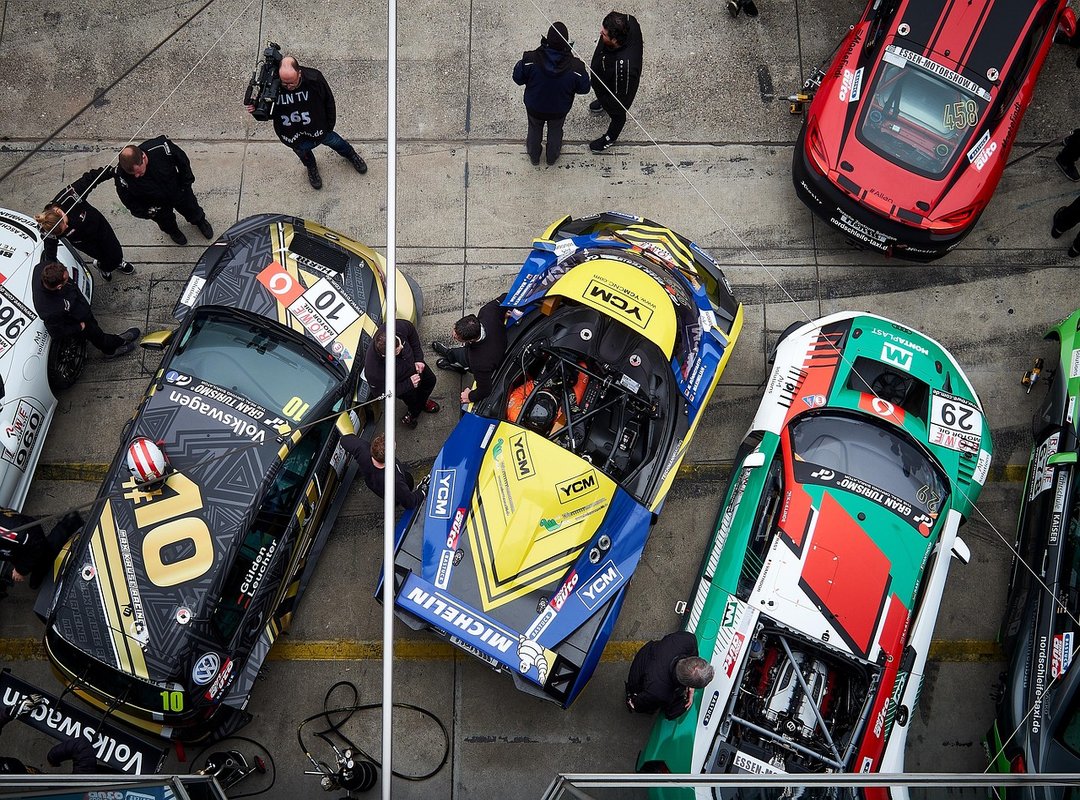
I used to think “playing my role” meant staying in my lane and doing my job. Then I watched a pro VOD where a flanker canceled a smoke 0.2 seconds after it lifted. That’s not support.
That’s interlocking action windows.
Combo isn’t about roles fitting together like puzzle pieces.
It’s about timing your action so someone else’s next move lands. Every time.
Here are four universal triggers I see in every genre:
Stun + burst. Vision + ambush. Crowd control + reposition.
Cooldown sync + target swap.
I pause replays at 3-second marks and ask: Did my action let or disrupt a teammate’s optimal follow-up?
That’s the 3-Second Sync Test. Try it on your last loss. You’ll cringe.
(I did.)
Bfnctutorials doesn’t treat roles as static boxes. They show how a healer moves into enemy flanks to force peels (not) just stay behind cover. How a tank rotates before the fight starts, not after the damage begins.
That’s why I lean on Pc Gaming when I’m stuck in solo mindset.
They reframe execution as system participation (not) self-contained performance.
You’re not failing because you’re bad at your role.
You’re failing because you’re playing next to teammates instead of with them.
Timing beats talent.
Every time.
Stop waiting for the perfect setup.
Create it. Then hand it off.
Adaptive Counterplay: Pivot Within 10 Seconds
I watch players lose matches not because they’re slow. But because they wait.
The Counter Loop is how I fix that. Observe → Classify (not “who’s there” but “what pattern is forming”) → Pick one pre-practiced response → Execute → Reset. Done in under ten seconds.
Every time.
That’s guessing.
Reactive panic? Swapping weapons mid-fight. Dropping your aim to check your loadout.
Adaptive counterplay? You see spray patterns, and you throw the grenade arc you drilled last week. No thought.
Just muscle memory tied to behavior.
When they overextend → I rotate to flank path X
I go into much more detail on this in Online Gaming.
When they group → I deny objective Y
In my experience, when they stall → I force rotation Z
These aren’t hero-specific. They’re behavior-based. Works in Valorant, CS2, even Rocket League (yes, really).
If your counterplay fails. Stop. Ask: did I classify based on what they did, or what I assumed they’d do?
Behavior is reliable. Assumptions get you killed.
This isn’t theory. It’s what separates ranked wins from tilt spirals.
You can read more about building your own loops in the Game Guides Bfnctutorials section.
Your Next Win Starts Now
I’ve watched players grind for months and stay stuck.
You’re tired of wasting hours playing without measurable progress.
Game Guides Bfnctutorials isn’t about memorizing combos. It’s about installing mental filters that compound with every match.
You don’t need ten drills. You need one. Just pick Resource Timing.
Run its drill in your next 3 games. Log one observation per match.
That’s it.
No extra theory. No vague advice. Just one repeatable action.
Most people wait for motivation. You’re done waiting.
Your next win starts not with better gear. But with your next deliberate decision.
Go play. Then log. Then repeat.
You know what to do.

 Dianenian Thompsons writes the kind of game review and analysis content that people actually send to each other. Not because it's flashy or controversial, but because it's the sort of thing where you read it and immediately think of three people who need to see it. Dianenian has a talent for identifying the questions that a lot of people have but haven't quite figured out how to articulate yet — and then answering them properly.
They covers a lot of ground: Game Review and Analysis, Esports Tournament Highlights, Upcoming Game Releases, and plenty of adjacent territory that doesn't always get treated with the same seriousness. The consistency across all of it is a certain kind of respect for the reader. Dianenian doesn't assume people are stupid, and they doesn't assume they know everything either. They writes for someone who is genuinely trying to figure something out — because that's usually who's actually reading. That assumption shapes everything from how they structures an explanation to how much background they includes before getting to the point.
Beyond the practical stuff, there's something in Dianenian's writing that reflects a real investment in the subject — not performed enthusiasm, but the kind of sustained interest that produces insight over time. They has been paying attention to game review and analysis long enough that they notices things a more casual observer would miss. That depth shows up in the work in ways that are hard to fake.
Dianenian Thompsons writes the kind of game review and analysis content that people actually send to each other. Not because it's flashy or controversial, but because it's the sort of thing where you read it and immediately think of three people who need to see it. Dianenian has a talent for identifying the questions that a lot of people have but haven't quite figured out how to articulate yet — and then answering them properly.
They covers a lot of ground: Game Review and Analysis, Esports Tournament Highlights, Upcoming Game Releases, and plenty of adjacent territory that doesn't always get treated with the same seriousness. The consistency across all of it is a certain kind of respect for the reader. Dianenian doesn't assume people are stupid, and they doesn't assume they know everything either. They writes for someone who is genuinely trying to figure something out — because that's usually who's actually reading. That assumption shapes everything from how they structures an explanation to how much background they includes before getting to the point.
Beyond the practical stuff, there's something in Dianenian's writing that reflects a real investment in the subject — not performed enthusiasm, but the kind of sustained interest that produces insight over time. They has been paying attention to game review and analysis long enough that they notices things a more casual observer would miss. That depth shows up in the work in ways that are hard to fake.