The Global Vanguard Championship is about to kick off and it’s the biggest esports event of the year.
You already know there are tournaments happening every week. But this one? This is where careers get made and legends get their names carved into history.
The problem is simple. Your calendar is packed with events and you don’t have time to watch everything. You need to know which tournament actually matters.
That’s what this guide is for.
I’ll walk you through the complete schedule, break down the teams you need to watch, and show you exactly where to stream every match. No fluff. Just what you need to follow the action.
We analyzed every regional qualifier leading up to this championship. We tracked the meta shifts and studied how teams adapted. That work went into building this preview.
At TPort Vent, we cover the latest gaming news and esports events as they happen. We watch the matches, talk to players, and break down what it all means.
This is your complete guide to the Global Vanguard Championship. Everything you need is right here.
What is the Global Vanguard Championship?
The Global Vanguard Championship is the official world championship for Vanguard, the tactical 5v5 shooter that’s been taking over the competitive scene.
Think of it as the Super Bowl of Vanguard. Sixteen teams from across the globe compete for the title of World Champion.
The prize pool? $2 million.
That’s not just pocket change. For most pro players, this is the tournament that can change their entire career. Win here and you’re not just getting paid. You’re cementing your legacy in the game.
This year’s championship is happening in Seoul, South Korea (which makes sense since the Korean teams have been absolutely dominant lately).
Here’s how it works.
The tournament starts with a group stage. Teams get sorted into groups where they fight for spots in the bracket. Then it shifts to single-elimination. One loss and you’re done.
No second chances. No safety nets.
You’re probably wondering what happens after the championship ends. Most teams immediately start prepping for regional qualifiers for next year’s event. The competition never really stops. And if you want to follow the action as it unfolds, Tportvent covers every major match and roster move.
The format makes every game matter. Even in groups, one bad day can put you in a terrible bracket position. I’ve seen top teams get knocked out early because they underestimated a wildcard squad.
That’s what makes GVC different from other tournaments. The pressure is real from match one.
Full Schedule and How to Watch
You’re probably scrambling to figure out when matches start and where to actually watch them.
I’ve been there. You bookmark three different sites and still end up missing the opening match because nobody bothered to clarify time zones.
Let me make this simple.
Key Dates:
- Group Stage: Oct 28-31
- Quarterfinals: Nov 2-3
- Semifinals: Nov 4
- Grand Finals: Nov 5
Now here’s where most coverage stops. They give you dates and call it a day. Now here’s where most coverage stops; they give you dates and call it a day, but true enthusiasts know that the real excitement lies in the intricacies of events like Tportvent, where gameplay and community come alive.
But what about the stuff you ACTUALLY need to know?
Where to Watch:
The official Vanguard streams run on Twitch and YouTube. You can find them at twitch.tv/vanguard and youtube.com/vanguard (both channels go live about 30 minutes before first match).
Some people say you should only watch the main broadcast. That you’re missing out on the “real experience” if you watch co-streamers.
I disagree.
Co-streamers often catch details the main broadcast glosses over. Plus, if you’re learning the game, having someone break down plays in real time helps way more than polished commentary.
Popular co-streamers this year include Shroud and Pokimane on Twitch. They’ll both be covering select matches with their own perspectives.
Broadcast Details:
Official streams run in English, Korean, Portuguese, Spanish, and French. The production quality stays consistent across all language options (which honestly surprised me the first time I checked).
Time Zone Note:
All match times are listed in EST. If you’re anywhere else, use a converter before you set your alarms. I’ve missed too many matches because I did the math wrong at 2am.
One thing I noticed that other Latest Gaming Event Tportvent coverage missed? The mobile app actually sends push notifications 15 minutes before matches start. Download it if you want a backup reminder system.
That’s it. No complicated viewing guides or subscription requirements.
Just show up and watch.
The Contenders: Top 3 Teams to Keep Your Eyes On
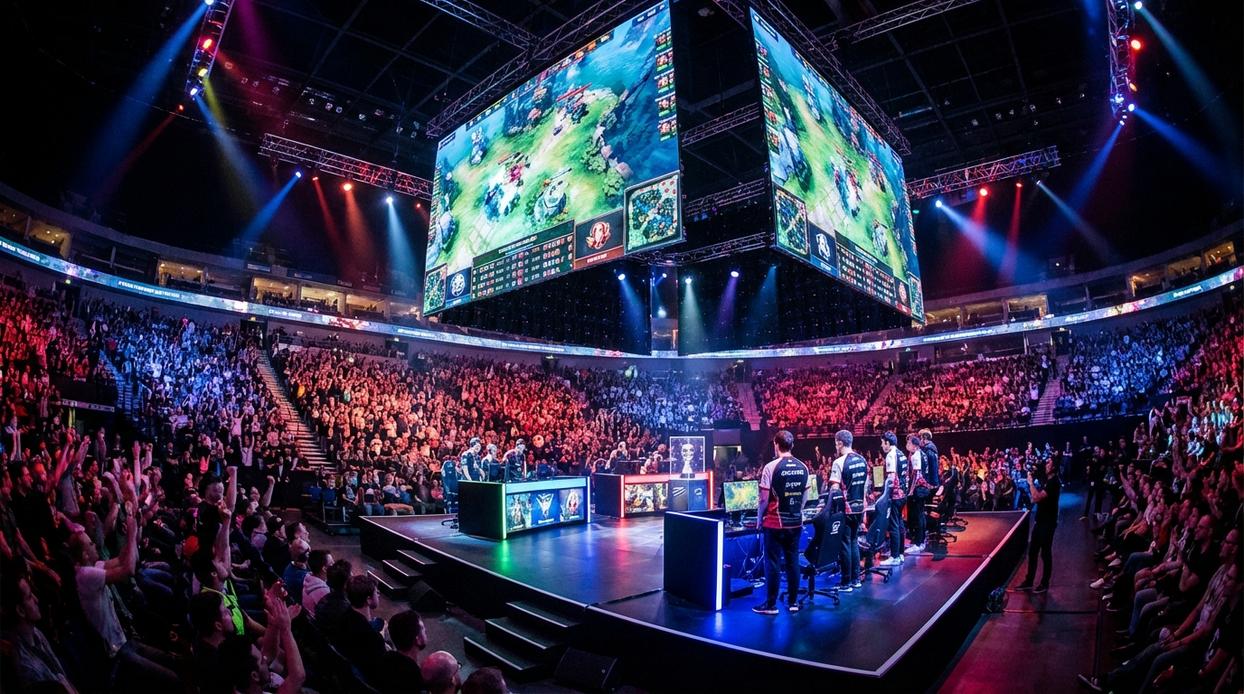
Three teams are about to make this tournament unforgettable.
I’ve watched dozens of qualifiers over the past month and these squads keep showing up in ways that matter. Not just flashy plays (though there’s plenty of that). I’m talking about consistent execution under pressure.
Let me break down who you need to watch.
The Reigning Champions: Seoul Spectres
Seoul Spectres didn’t just win APAC. They dominated it.
Their playstyle is methodical. Almost surgical. While other teams rush in hoping for picks, the Spectres control the map inch by inch. They don’t give you anything.
Their star player, known for aim that borders on inhuman, landed a 78% headshot rate in the APAC finals. That’s not normal. When you’re defending a site and you hear his footsteps, you’re already at a disadvantage. As players scramble to keep up with the unmatched precision of their star player, many have turned to the Registration Tutorial Tportvent to refine their skills and level the playing field in the intense competition of the APAC finals.
But here’s what makes them scary. It’s not just one player carrying. Their entire roster executes setups that other teams spend weeks trying to copy.
The North American Titans: LA Vipers
LA Vipers play like they’re always running out of time.
Fast. Aggressive. Relentless.
They tore through NA qualifiers with a strategy that left opponents scrambling. Before you finish setting up your defense, they’re already in your backline.
What sets them apart? Their use of new agents that most teams are still figuring out. They’ve built entire strategies around agent combos that didn’t exist three months ago. Other teams are still running last season’s meta while the Vipers are writing the new one.
If you want to see what competitive play will look like next year, watch how they move.
The European Dark Horse: Berlin Phantoms
Nobody expected Berlin Phantoms to be here.
Six months ago, they were barely scraping into regional tournaments. Now they’re the team that makes bracket predictions useless.
Their strategies? Completely unpredictable. You can’t prepare for them because they don’t play the same way twice. One match they’re running standard setups. The next they’re doing things that make casters go silent trying to figure out what just happened.
They knocked out two favorites in the EU qualifiers. Teams with bigger budgets and more experience. The Phantoms just didn’t care about any of that.
Their recent surge isn’t luck. They picked up a coach who completely rebuilt their approach to the game. Now they’re the upset pick that might not be an upset at all.
Want to follow along as these teams compete? Check out the Registration Tutorial Tportvent to get set up for the latest gaming event tportvent coverage.
Pro tip: Watch Seoul Spectres for textbook execution, LA Vipers for innovation, and Berlin Phantoms when you want to see the meta get turned upside down.
The Meta Game: Strategies and Agents to Expect
You’re going to see a lot of double controller setups this tournament.
I’m not just saying that because it’s popular right now. I’m saying it because teams that don’t run it are getting crushed on half the map pool.
Here’s what’s happening. The current maps favor teams that can control space and deny information. You need smokes that last longer and utility that forces opponents into bad positions. One controller just doesn’t cut it anymore.
Why Double Controller Dominates
Teams are pairing agents like Omen with Viper or Harbor with Astra. It gives them flexibility that single controller comps can’t match.
But some analysts will tell you this meta is boring. They say it slows down the game and makes rounds drag on forever.
I disagree.
What looks like slow gameplay is actually teams playing chess at 200 mph. The setups are more complex and the counterplay requires better coordination than we’ve ever seen.
Now, you’ll probably see teams run the site fake retake at least a dozen times during the latest gamiong event tportvent. It’s simple but deadly when executed right.
Here’s how it works. The attacking team hits one site hard with utility and maybe one player. Defenders rotate over. Then the attackers pull back and hit the other site with their full squad while defenders are out of position.
Watch for the Wildcards
What I’m really excited about? The pocket picks.
Teams have been scrimming with off-meta agents that could flip entire series. I won’t be surprised if we see a Reyna or Phoenix pop up on specific maps where everyone expects the standard lineup. As teams experiment with unconventional picks like Reyna and Phoenix in their scrims, it raises the question of adaptability in the competitive scene, leading us to ponder, “Which Online Game Has the Most Players Tportvent,” as player engagement continues to shape the meta.
Those surprise picks can break a double controller setup if the timing is right. And honestly, that’s what makes watching worth it.
Get Ready for the Action
You now have the complete schedule in front of you.
You know which teams to watch and when the biggest matches go down. The Global Vanguard Championship is about to show you why it’s the premier event in competitive gaming.
This tournament is where legends are made. The best players in the world will prove their skill on the biggest stage.
Here’s what you need to do: Mark your calendars right now. Pick the team you’re backing and get ready to watch some incredible plays unfold.
Don’t miss a single moment of this action.
For ongoing coverage and highlights, check back here at tportvent. We’ll keep you updated with everything that matters as the tournament progresses.
The competition starts soon. Your seat is waiting.

 Syrelia Rendall writes the kind of player strategy guides content that people actually send to each other. Not because it's flashy or controversial, but because it's the sort of thing where you read it and immediately think of three people who need to see it. Syrelia has a talent for identifying the questions that a lot of people have but haven't quite figured out how to articulate yet — and then answering them properly.
They covers a lot of ground: Player Strategy Guides, Upcoming Game Releases, Esports Tournament Highlights, and plenty of adjacent territory that doesn't always get treated with the same seriousness. The consistency across all of it is a certain kind of respect for the reader. Syrelia doesn't assume people are stupid, and they doesn't assume they know everything either. They writes for someone who is genuinely trying to figure something out — because that's usually who's actually reading. That assumption shapes everything from how they structures an explanation to how much background they includes before getting to the point.
Beyond the practical stuff, there's something in Syrelia's writing that reflects a real investment in the subject — not performed enthusiasm, but the kind of sustained interest that produces insight over time. They has been paying attention to player strategy guides long enough that they notices things a more casual observer would miss. That depth shows up in the work in ways that are hard to fake.
Syrelia Rendall writes the kind of player strategy guides content that people actually send to each other. Not because it's flashy or controversial, but because it's the sort of thing where you read it and immediately think of three people who need to see it. Syrelia has a talent for identifying the questions that a lot of people have but haven't quite figured out how to articulate yet — and then answering them properly.
They covers a lot of ground: Player Strategy Guides, Upcoming Game Releases, Esports Tournament Highlights, and plenty of adjacent territory that doesn't always get treated with the same seriousness. The consistency across all of it is a certain kind of respect for the reader. Syrelia doesn't assume people are stupid, and they doesn't assume they know everything either. They writes for someone who is genuinely trying to figure something out — because that's usually who's actually reading. That assumption shapes everything from how they structures an explanation to how much background they includes before getting to the point.
Beyond the practical stuff, there's something in Syrelia's writing that reflects a real investment in the subject — not performed enthusiasm, but the kind of sustained interest that produces insight over time. They has been paying attention to player strategy guides long enough that they notices things a more casual observer would miss. That depth shows up in the work in ways that are hard to fake.